Lexington Residential Historic District, historic district in North Carolina, United States
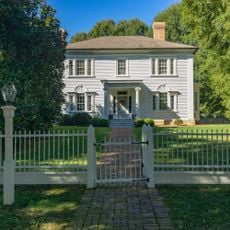
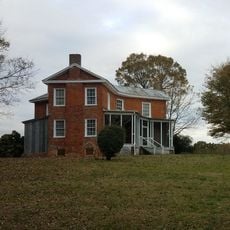
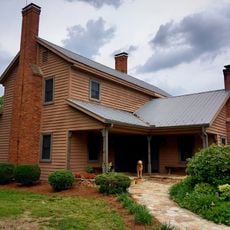
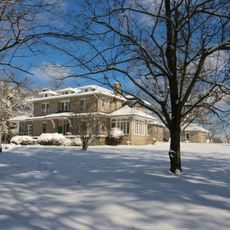
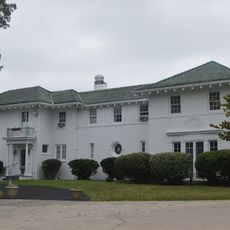
The Lexington Residential Historic District is a neighborhood in the town of Lexington containing over 800 buildings from the late 1800s and early 1900s. The houses display various styles including Queen Anne, Craftsman, and Colonial Revival, while the streets follow an irregular pattern lined with mature trees.
The district developed from the late 1700s when Lexington was named after the famous battle and later became the county seat. Most houses were built between 1900 and 1956 as industries like cotton mills and furniture factories drove the town's growth.
The name Lexington comes from the famous battle in Massachusetts, reflecting how early settlers named their new home. Today you can see how residents maintain their houses with care, showing they value the history of their neighborhood.
The streets are connected by sidewalks that link the neighborhood to downtown, and most houses have driveways or garages. The irregular street pattern and mature trees create a natural walking route through different neighborhoods like Park Place and Westover Heights.
An obelisk in the cemetery honors Andrew Caldcleugh and dates to the late 1700s, well before most houses in the district were built. The graves here display various shapes and designs reflecting Victorian traditions and Christian symbols.
The community of curious travelers
AroundUs brings together thousands of curated places, local tips, and hidden gems, enriched daily by 60,000 contributors worldwide.