Trinity Historic District, Historic district in Durham, North Carolina.
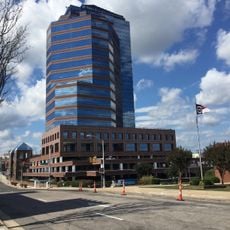
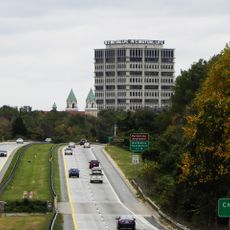
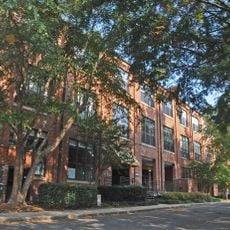
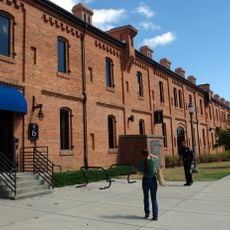
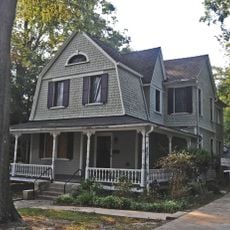
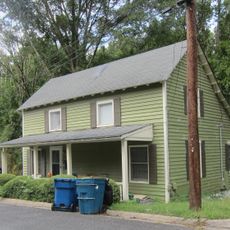
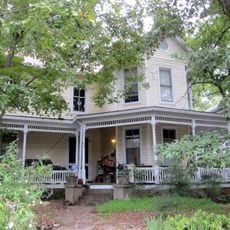
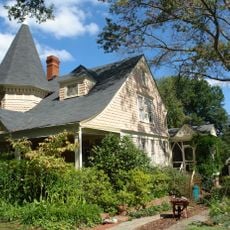
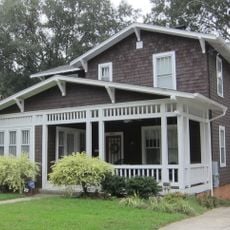
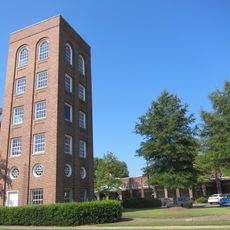
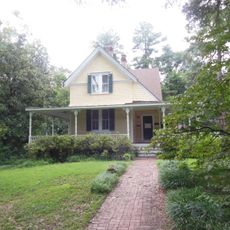
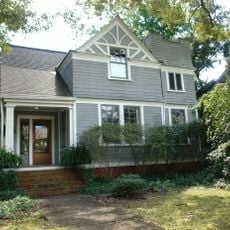
Trinity Historic District is a neighborhood with roughly 750 buildings built between the 1890s and 1960s near Duke University. The houses display Queen Anne and American Craftsman styles across a large area with clear boundary streets.
The district received its National Register designation in 1986, recognizing its historical importance. The protected boundaries were expanded twice afterward to include additional buildings and areas.
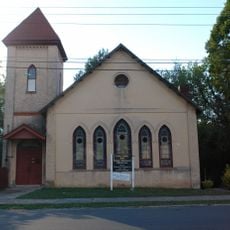
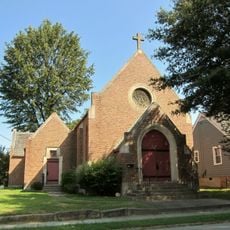
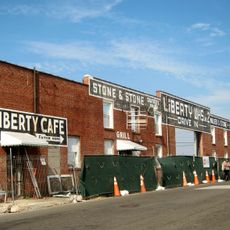
The district contains schools and churches built for different religious communities and social groups who established their own institutions in this part of town. These buildings show how residents organized their daily lives and where they gathered together.
The district lies just west of Duke University's East Campus, and its 751 contributing buildings line a grid of streets best covered on foot. Most houses are private homes visible only from the sidewalk, so walkers should stay on public streets. The separately listed Faculty Row cottages, including the Bassett and Crowell houses, stand within the same blocks.
The neighborhood was home to important figures of Duke University in its early years. A former resident was Joseph Penn Breedlove, the university's first librarian, and William Preston Few, its first president.
The community of curious travelers
AroundUs brings together thousands of curated places, local tips, and hidden gems, enriched daily by 92,634 contributors worldwide.