King William Historic District, Victorian-era historic district in San Antonio, United States.
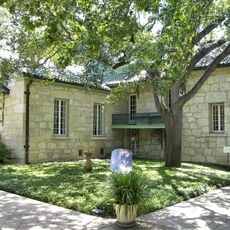
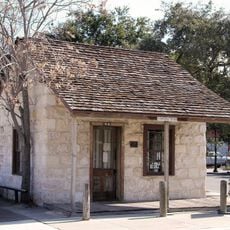
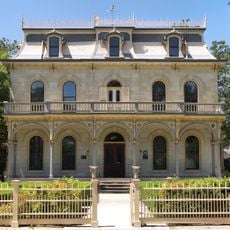
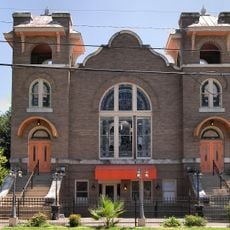
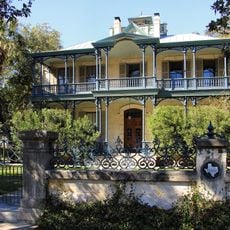
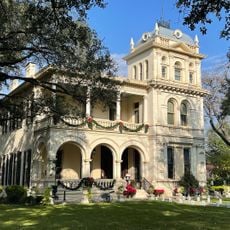
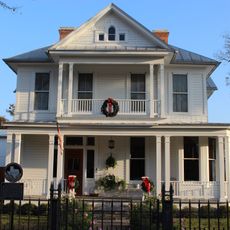
King William Historic District is a residential neighborhood in San Antonio featuring grand homes built in Greek Revival style with carefully preserved architectural details. Wide streets shaded by mature oak trees line the area near downtown, creating a tree-covered streetscape throughout.
Spanish priests of Misión San Antonio de Valero first used the land as farm acreage before it was parceled out to local indigenous peoples. Subdivision into residential lots dates to 1853–66, when German immigrants arrived; surveyor Ernst Hermann Altgelt built the first house in 1866 and named the area after King Wilhelm I of Prussia. The district was listed on the National Register of Historic Places on January 20, 1972.
The neighborhood reflects the heritage of German immigrants who settled here in the 1800s and shaped its character through their building choices and community traditions. Art galleries and cultural venues today keep this immigrant story visible in the daily life of the district.
The area is best explored on foot, allowing visitors to see the architecture and details of each building as they walk through the neighborhood. The Villa Finale museum inside one of the restored homes offers an indoor look at period furnishings and decorative objects from the era.
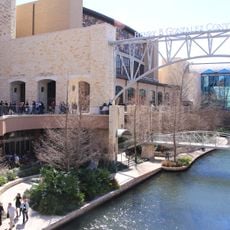
The King William Park bandstand was built in 1892 on the grounds of the United States Arsenal, which occupied part of the area from 1859, and was later moved to its present spot in the park. The district also holds the Upper Mill Park, the King William River Walk and the Johnson Street pedestrian bridge.
The community of curious travelers
AroundUs brings together thousands of curated places, local tips, and hidden gems, enriched daily by 94,044 contributors worldwide.