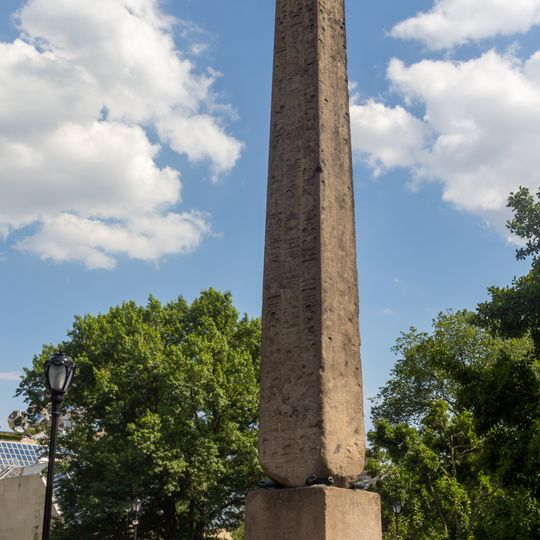
Cleopatra's Needle, Ancient Egyptian obelisk in Central Park, United States
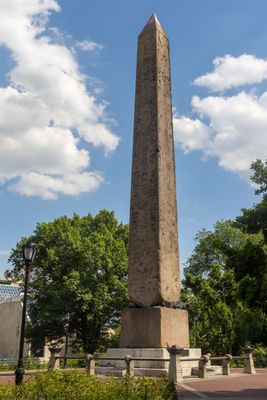
Cleopatra's Needle is a 69-foot tall granite obelisk standing between the Great Lawn and the Metropolitan Museum of Art in Central Park, with hieroglyphic inscriptions covering all four sides. The monument weighs approximately 220 tons and was originally created as a temple monument in ancient Egypt.
The obelisk was commissioned around 1450 BCE for the Temple of the Sun in Heliopolis and arrived in New York City in 1880 as a gift from Egypt. The journey across the Atlantic and its installation in the park marked a significant moment in 19th-century relations between the United States and Egypt.
The name "Cleopatra's Needle" is misleading, as ancient Egyptians called such obelisks "tekhenu," meaning "needles of the sun." Visitors today see hieroglyphic texts on all four sides that tell of Pharaoh Thutmose III's reign and power.
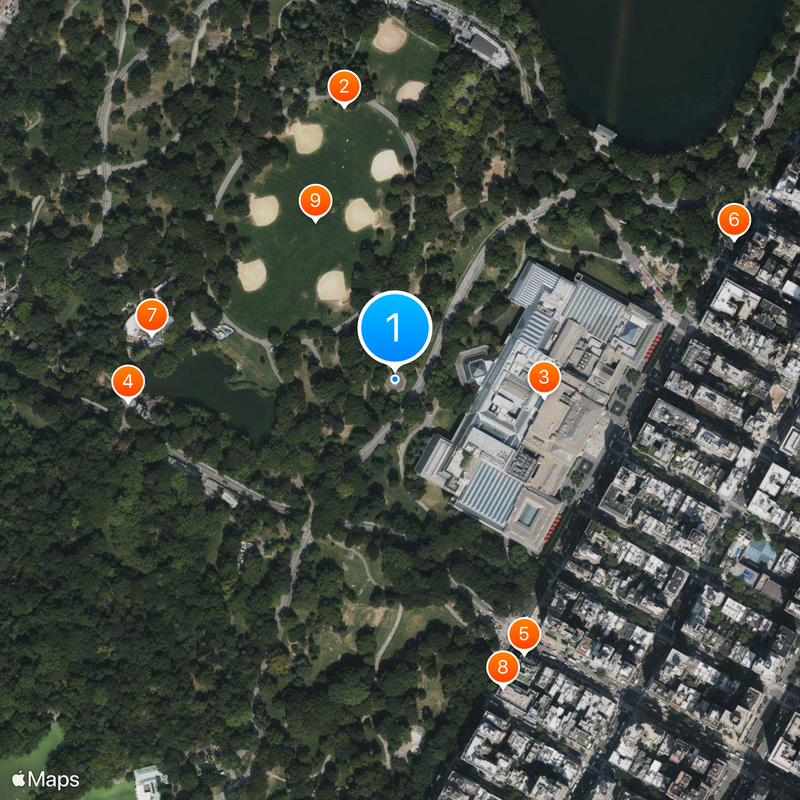
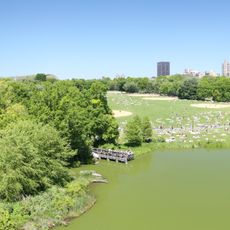
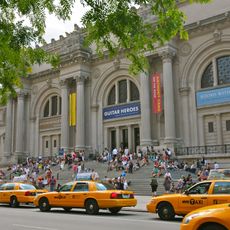
The obelisk sits east of the Great Lawn, accessible via the East Drive at 81st Street near the Metropolitan Museum of Art. Visit during quieter hours to enjoy the monument without large crowds and to fully appreciate the hieroglyphic details on its sides.
Four bronze crabs at the base of the obelisk are a 19th-century addition that replaced the original Roman supports. These creatures were chosen to symbolically reinforce the age and stability of the monument while also creating a subtle connection to the water that once carried it across the ocean.
The community of curious travelers
AroundUs brings together thousands of curated places, local tips, and hidden gems, enriched daily by 60,000 contributors worldwide.