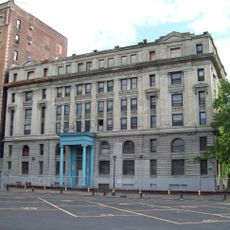
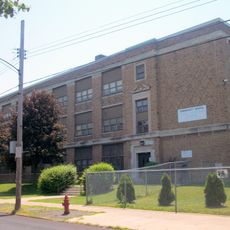
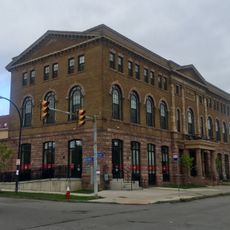
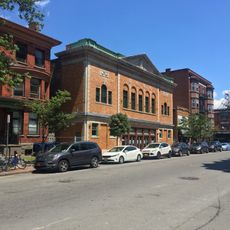
Fargo Estate Historic District, Historic district in Lower West Side, Buffalo, United States.
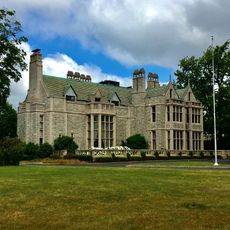
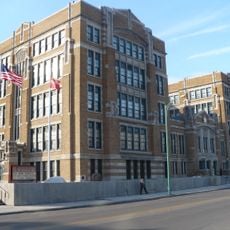
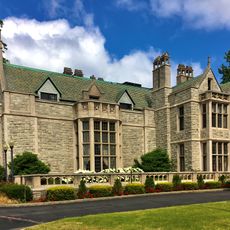
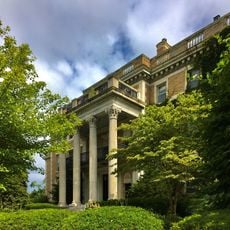
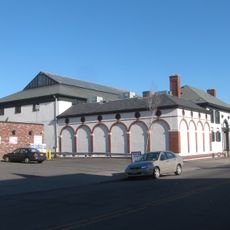
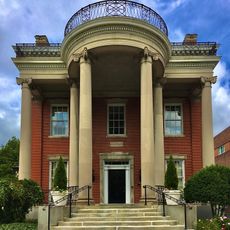
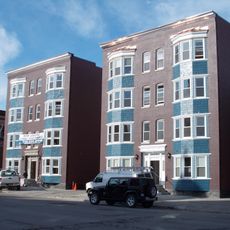
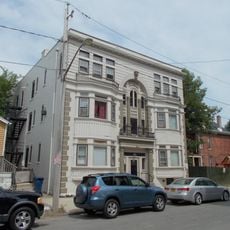
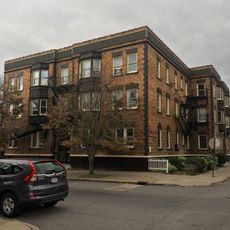
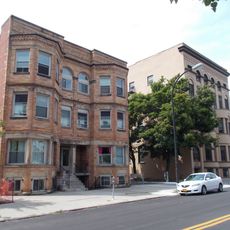
Fargo Estate Historic District is a mainly residential district on Buffalo's Lower West Side, with 390 contributing buildings, one contributing site and two contributing objects. Its houses and churches show Italianate, Queen Anne, Colonial Revival and American Craftsman styles built between about 1850 and 1930. A 2 1/2-block section was laid out between about 1888 and 1910 on the former Fargo Estate, home of William Fargo.
The neighborhood grew between 1850 and 1930 from the former William Fargo estate into an established residential area. This transformation reflects Buffalo's development as a major economic center during the 1800s and early 1900s.
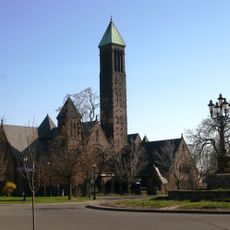
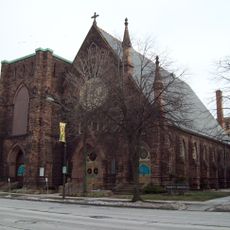
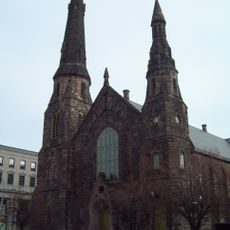
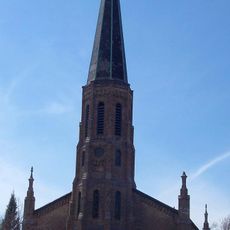
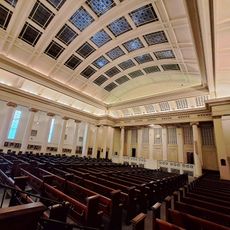
The 1912 Plymouth Methodist Episcopal Church now houses the Karpeles Library and Manuscript Museum. The 1882 West Side Presbyterian Church serves today as Iglesia de Cristo Misionera, so two former congregations' buildings carry on as a manuscript museum and a Spanish-speaking mission.
Visitors can explore the neighborhood on their own or join guided walking tours to learn about the architectural details of the late 1800s buildings. The area is walkable, and many houses are visible from the streets.
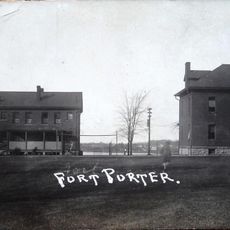
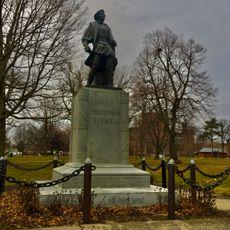
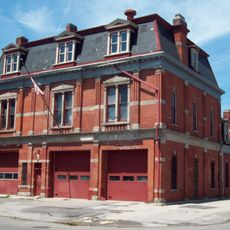
The district's 2 1/2-block core grew between about 1888 and 1910 on the former estate of William Fargo, co-founder of Wells Fargo and American Express. The separately listed Engine House No. 2 and Hook and Ladder No. 9 stand within the district, and a stretch of the Olmsted-designed Delaware Park-Front Park System runs along Porter Avenue.
The community of curious travelers
AroundUs brings together thousands of curated places, local tips, and hidden gems, enriched daily by 94,032 contributors worldwide.