Wingmead, historic house in Arkansas, United States
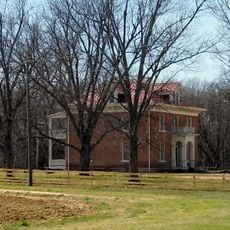
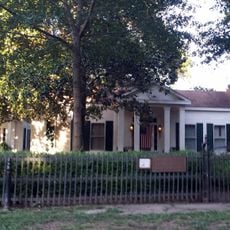
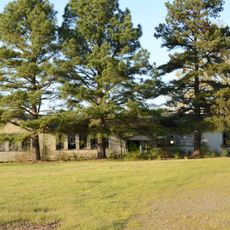
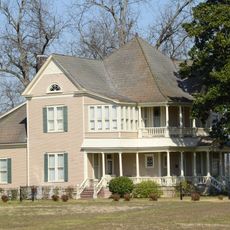
Wingmead is an estate south of DeValls Bluff in Arkansas centered on a colonial-style main house built in 1939 and spanning roughly 10,000 square feet. The property includes several man-made lakes, farm buildings, a kennel, and a retreat cabin, all set across 11,000 acres of open farmland and wooded areas.
Edgar Monsanto Queeny, president of chemical company Monsanto, purchased the land in 1937 and built the residence in 1939 to create a retreat for duck and waterfowl hunting. After his death in 1968, the estate changed hands several times and continues to operate as a farm and hunting property today.
Wingmead takes its name from Scottish roots meaning meadow of wings, reflecting the property's deep connection to waterfowl and bird life. The estate was shaped as a retreat for wealthy hunters and continues to embody the tradition of respecting wildlife while engaging with the land.
The property is accessible from DeValls Bluff via Arkansas Route 33 and sits on flat, open terrain that is straightforward to explore on foot. Plan to spend time walking through the fields and around the lakes, and dress appropriately for rural outdoor conditions.
Queeny wrote his acclaimed book Prairie Wings about wildfowl while staying here and used specialized high-speed cameras to photograph ducks in flight, with images later published in Life Magazine. His conservation work creating artificial lakes to support migratory birds became a model for wildlife protection efforts across the nation.
The community of curious travelers
AroundUs brings together thousands of curated places, local tips, and hidden gems, enriched daily by 92,727 contributors worldwide.