Moccasin Bluff Site, Archaeological site along St. Joseph River in Berrien County, United States
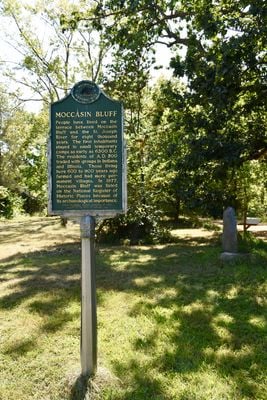
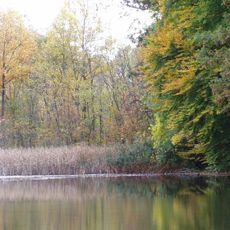
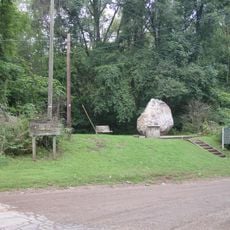
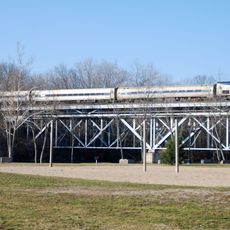
Moccasin Bluff Site is an archaeological location along the St. Joseph River in Berrien County featuring a landscape of a terrace between steep hills and two islands within the river's wide bend. Excavations revealed storage pits, fire pits, and hearths that show evidence of food preservation and early farming activities.
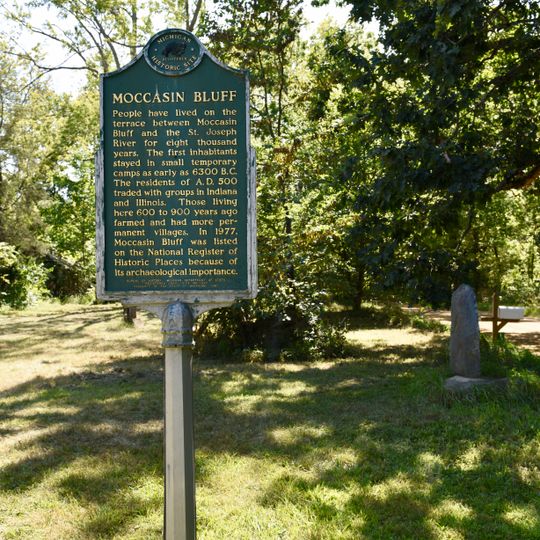
Native American groups first used this location as a seasonal camp in the 6th millennium BC, and it gradually developed into a permanent settlement with farming practices by around 1100 AD. This shift from hunting camps to farming communities shows how the way of life changed over thousands of years.
This location served as a seasonal gathering place for communities who expressed their relationship with the land through burials and food storage practices over many centuries.
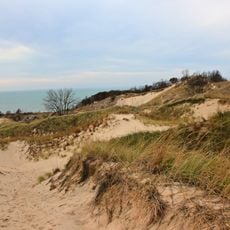
The site sits on terrain with steep hills, so visitors should expect uneven ground and possible access challenges. The best time to explore is during warmer months when the river area and landscape are easier to navigate.
Researchers uncovered more than 30 different animal species at this location during excavations, including substantial remains of deer and elk bones. These animal remains suggest that beyond feeding, ceremonial practices held an important place in the lives of earlier inhabitants.
The community of curious travelers
AroundUs brings together thousands of curated places, local tips, and hidden gems, enriched daily by 91,283 contributors worldwide.