Ur, Ancient city and archaeological site in Dhi Qar Governorate, Iraq
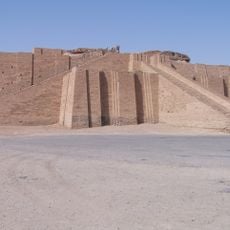
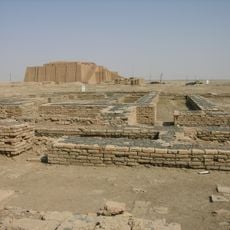
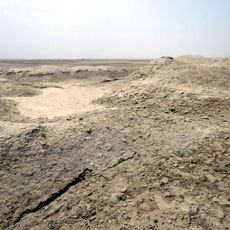
Ur is an archaeological site in Dhi Qar Governorate, southern Iraq, marked by the partially restored Ziggurat of Ur, a stepped brick structure built in the 21st century BC under Ur-Nammu. The site consists of a mound about 1200 by 800 metres and 20 metres high, split by an ancient canal, with low excavated brick walls of houses and a city wall visible.
The city emerged around 3800 BCE and grew into a major trade center in ancient Sumer. It reached its greatest power under the Third Dynasty between 2047 and 1750 BCE before gradually being abandoned following several conquests.
Ur remains an important reference point for remembering early Mesopotamia, and local communities consider the site part of their national heritage. Visitors often notice how Iraqi guides emphasize the connection between ancient Sumerian traditions and the regional identity today.
Access is usually arranged through organized tours coordinated by the Iraqi antiquities board, as the region requires special security arrangements. Visitors should plan to arrive early in the morning to avoid the intense desert heat during afternoon hours.
Among the finds from the Royal Cemetery were the Lyres of Ur, bull-shaped instruments with eleven strings, excavated in 1928. The tombs also held gold, silver, lapis lazuli and carnelian brought from Iran, Afghanistan and the Indus region, showing how far Ur's trade reached in the mid-third millennium BCE.
The community of curious travelers
AroundUs brings together thousands of curated places, local tips, and hidden gems, enriched daily by 92,144 contributors worldwide.