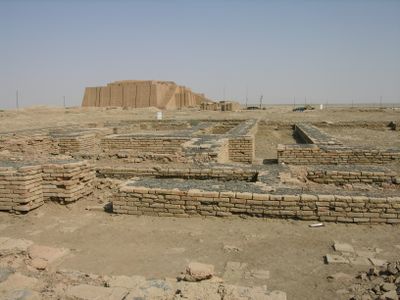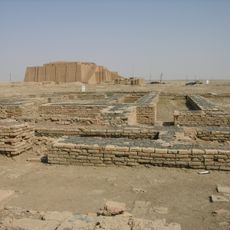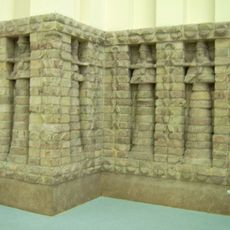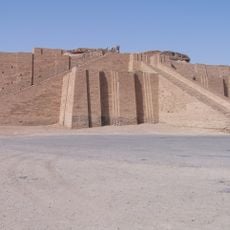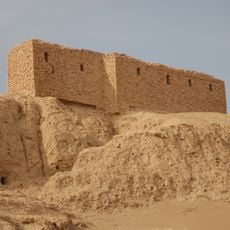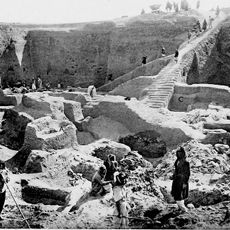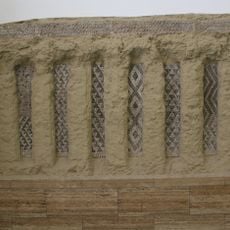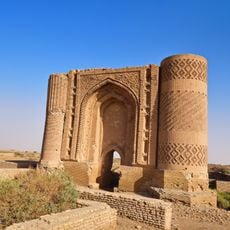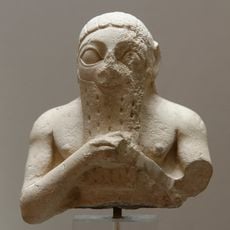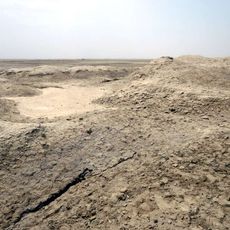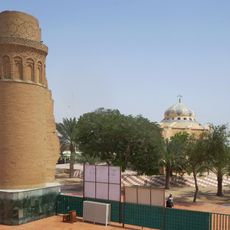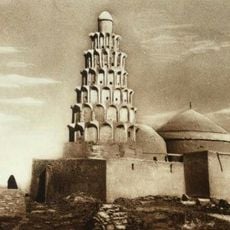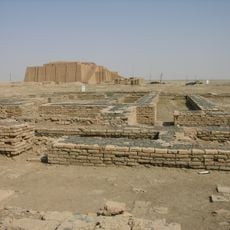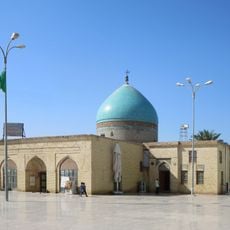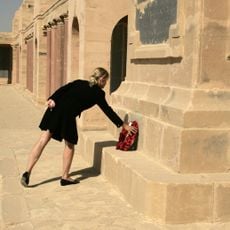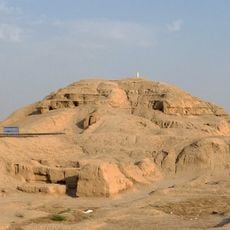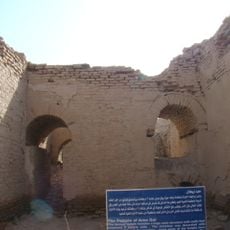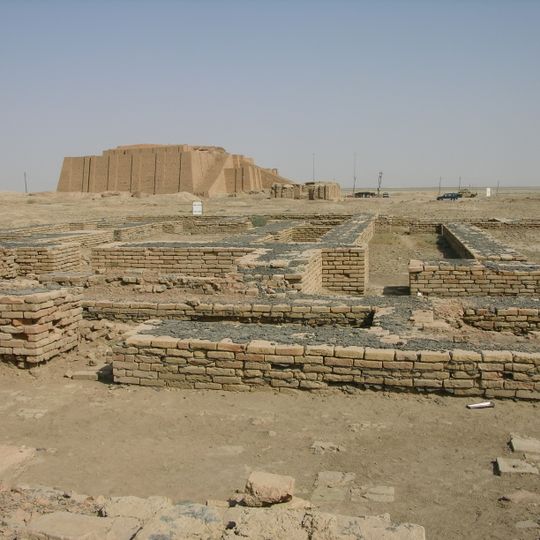
Ennigaldi-Nanna's museum, Archaeological ruins in Al-Nasiriyah District, Iraq.
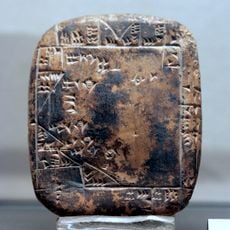
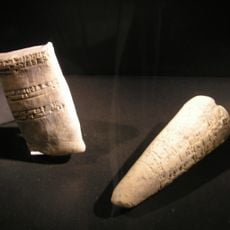
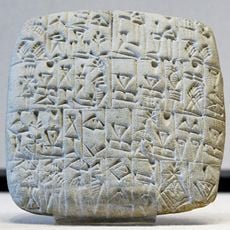
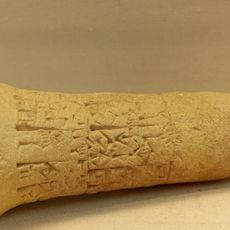
Ennigaldi-Nanna's museum contains remains with organized collections of clay tablets, pottery, and inscriptions that record knowledge from ancient Mesopotamian cultures. The arrangement of objects demonstrates systematic principles of early exhibition practice.
Princess Ennigaldi, daughter of King Nabonidus of Babylon, established this collection in the 6th century BCE as one of the earliest museums. This project marked a turning point when people began intentionally gathering and preserving knowledge for study.
The building functioned as a gathering place for scholars who examined objects spanning different periods of Mesopotamian civilization. Visitors today can observe how the rooms were arranged to support study and learning.
The site is an archaeological area with exposed structures that require sturdy footwear due to uneven ground. There is limited shade available, so visiting in early morning or late afternoon hours is advisable.
Many clay tablets found here bear labels and descriptions written in multiple ancient languages, showing how objects were catalogued in antiquity. These early documentation methods made the building a model for museum practice thousands of years before modern institutions existed.
The community of curious travelers
AroundUs brings together thousands of curated places, local tips, and hidden gems, enriched daily by 90,790 contributors worldwide.