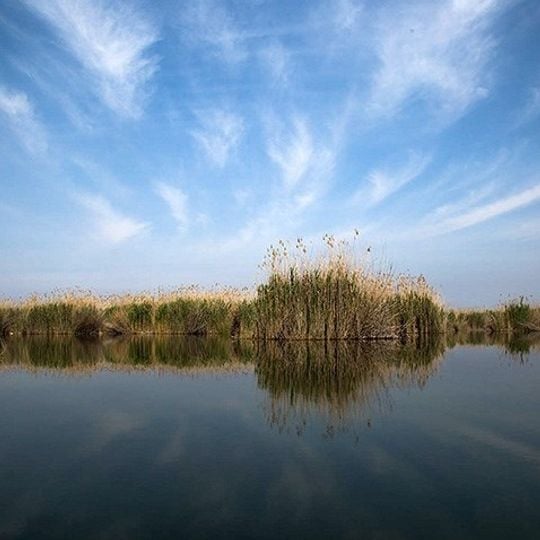
Hawizeh Marshes, Natural marsh at the Iran-Iraq border
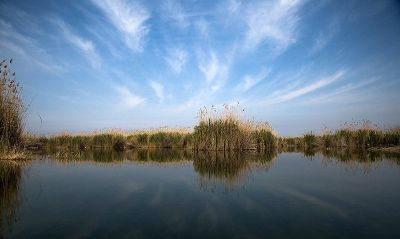
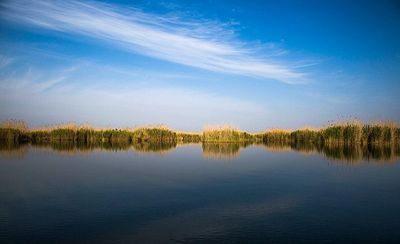
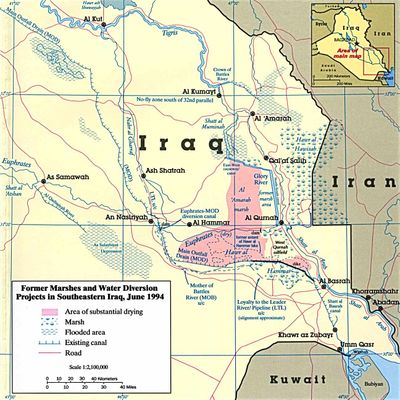
Hawizeh Marshes is a wetland system at the Iran-Iraq border fed by Tigris River branches from Iraq and the Karkheh River from Iran. The area consists of interconnected waterways and shorelines abundant with plant life covering a large expanse.
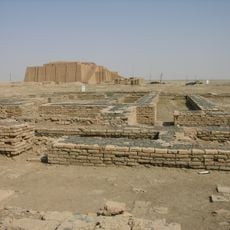
The wetlands formed around 3000 BC where the Tigris and Euphrates rivers met and supported early settlements through fishing and agriculture. The marshes remained important to the region for thousands of years as a source of livelihood and resources.
The reed houses built by local inhabitants shape the visual character of the wetlands and are constructed entirely from materials found in the marsh. This building tradition reflects how people have adapted their way of life to living among water for many generations.
Visitors should bring appropriate clothing for insects and sun exposure and arrange guides familiar with the waterways, as navigation is challenging without local knowledge. The best time to visit is after the rainy season when water levels are stable and conditions are more favorable.
The area serves as a crucial stopover for migratory bird species and hosts several types classified as threatened in international conservation lists. This biodiversity draws ornithologists and nature observers who come to study and observe these populations.
The community of curious travelers
AroundUs brings together thousands of curated places, local tips, and hidden gems, enriched daily by 91,780 contributors worldwide.