Ahwar of Southern Iraq, Cultural landscape with marshlands and archaeological sites in Southern Iraq
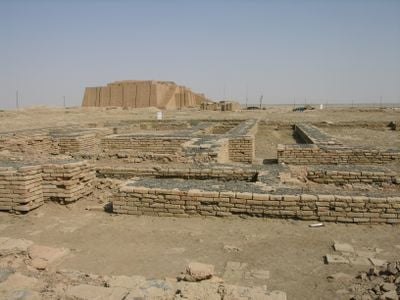
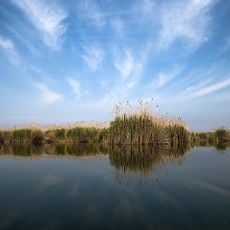
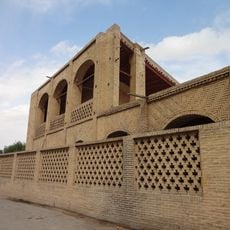
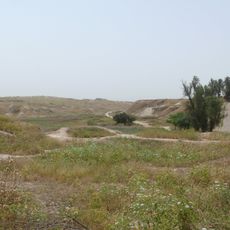
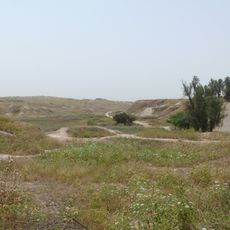
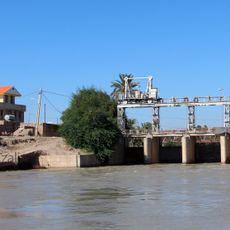
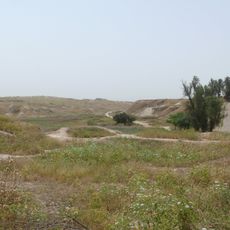
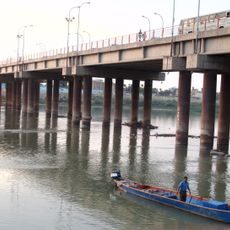
The Ahwar is a cultural landscape in southern Iraq comprising seven distinct areas: three archaeological sites and four wetland zones within a vast inland delta system. The locations spread across expansive marshland shaped by multiple river channels and seasonal water flows.
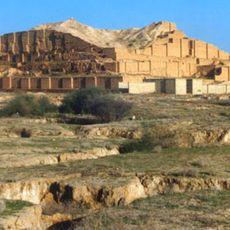
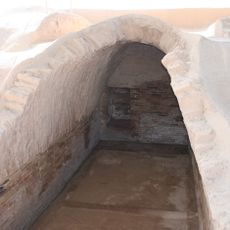
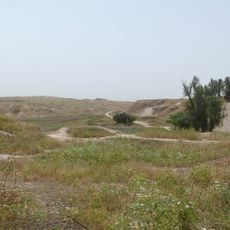
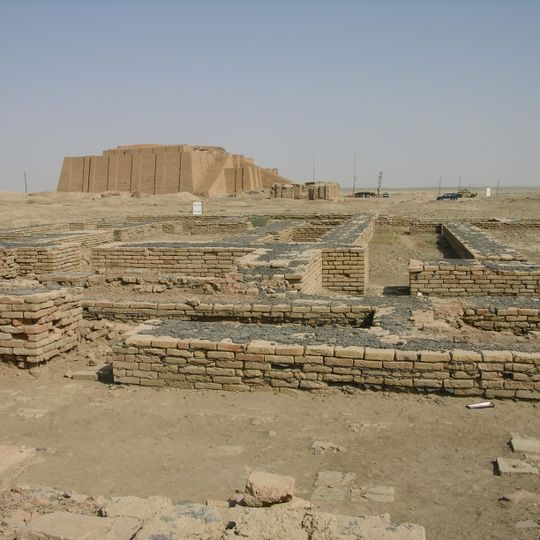
The area was the cradle of early Mesopotamia, where Sumerian settlements like Uruk, Ur, and Tell Eridu emerged and flourished. These sites represent some of the oldest urban centers known to human history.
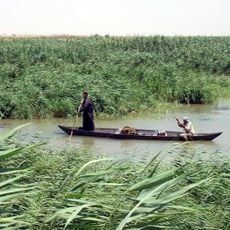
The Ma'dan people shape the landscape with their reed houses and bundled reed boats that reflect a way of life tied to water for centuries. Their daily practices of fishing and boat-making remain visible throughout the marshes today.
Visitors can explore the area through guided tours organized with local communities who offer insights into daily life and traditions. The best time to visit is during cooler months when water levels support wildlife viewing and the landscape is most accessible.
After 2003, water flow restoration allowed numerous bird species to return to the marshes. This ecological recovery demonstrates how wetland ecosystems can regenerate when natural conditions are reinstated.
The community of curious travelers
AroundUs brings together thousands of curated places, local tips, and hidden gems, enriched daily by 92,537 contributors worldwide.