Umma, Ancient archaeological site in Dhi Qar Governorate, Iraq
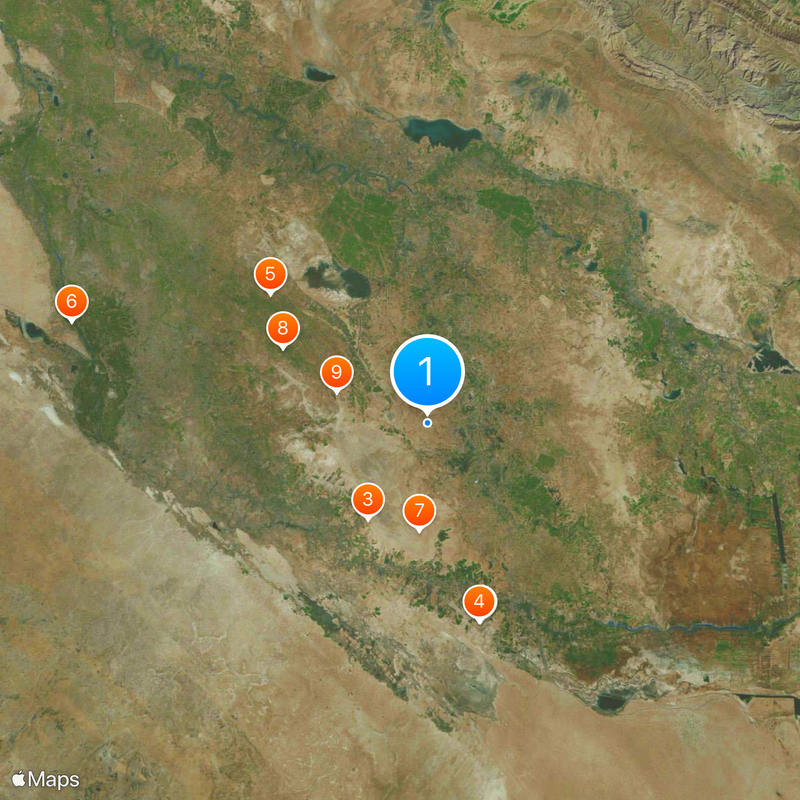
Umma is an archaeological site in Dhi Qar Governorate, Iraq, that spreads over more than a kilometer and contains numerous foundations of administrative buildings and religious structures. The ruins lie scattered across the dry plain and clearly show the layouts of former public areas.
The settlement arose around 2950 BC as an independent center and was shaped over centuries by conflicts with neighboring Lagash. The city-state system collapsed around 2000 BC when regional powers reorganized the area.
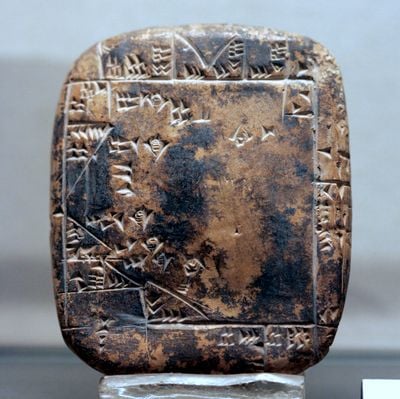
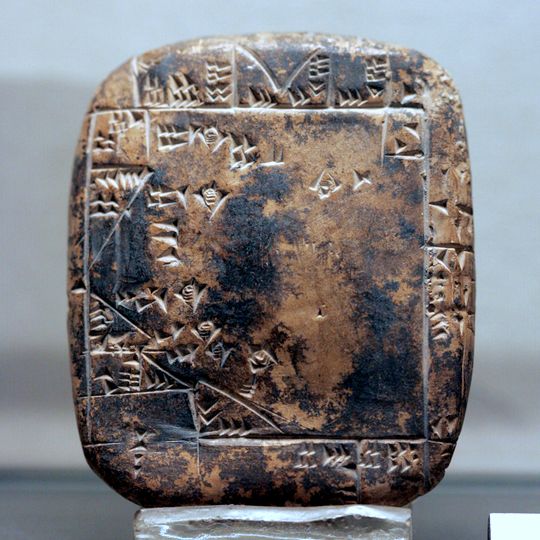
The name Umma comes from the Sumerian designation for the settlement and appears in thousands of clay tablets documenting daily economic life. Visitors today can recognize the sprawling foundation remains that show how closely administration and religious practice were connected here.
The site lies in a remote area and requires considerable effort to reach, so visitors should secure local contacts beforehand for guidance and access. Unauthorized digging has altered the surface, making careful walking advisable.
More than 30,000 clay tablets from this site offer an unusually detailed view into everyday economic operations of the Sumerians. The Shara Temple ranks among the earliest documented religious buildings in Mesopotamia and was used for over a millennium.
The community of curious travelers
AroundUs brings together thousands of curated places, local tips, and hidden gems, enriched daily by 91,652 contributors worldwide.