Shuruppak, Archaeological site in southern Iraq
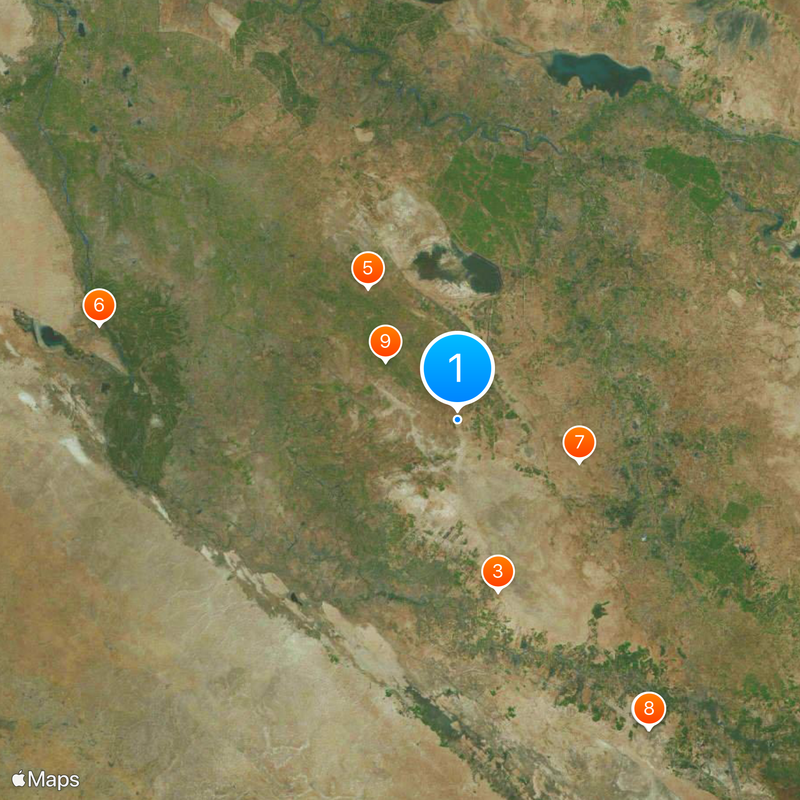
Shuruppak is an archaeological site in southern Iraq with two main mounds separated by an ancient canal bed. The excavated area covers a large expanse and rises about 9 meters (30 feet) above the surrounding plain.
The settlement grew into a major Sumerian center during the Early Dynastic period in the third millennium BC. Excavations reveal multiple occupation layers from late prehistoric times through the Third Dynasty of Ur in the early second millennium BC.
The city held religious importance as a center dedicated to Ninlil, the Mesopotamian goddess of grain and air, influencing agricultural practices.
Research teams continue working on excavations, bringing to light administrative records, clay sealings, and pottery fragments. The site lies in a remote area of Al-Qādisiyyah Governorate, so careful planning is needed before visiting.
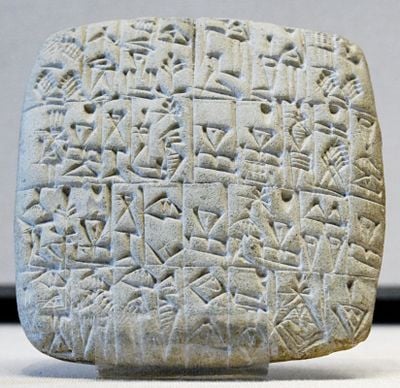
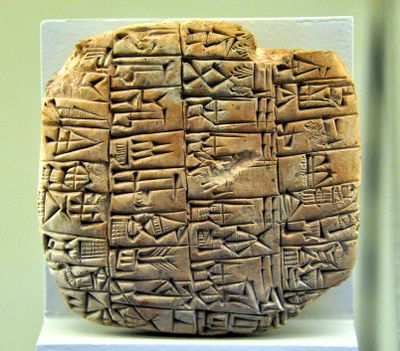
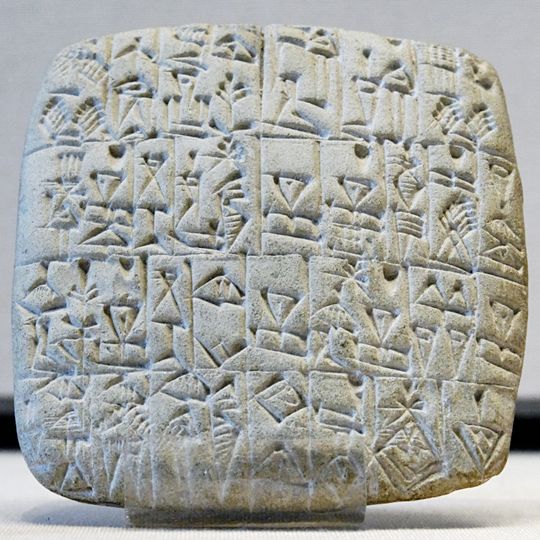
Archaeologists have found some of the oldest known cuneiform tablets here, including early written records about grain management and livestock. These clay tablets offer a direct window into daily life in a Sumerian city more than four thousand years ago.
The community of curious travelers
AroundUs brings together thousands of curated places, local tips, and hidden gems, enriched daily by 91,622 contributors worldwide.