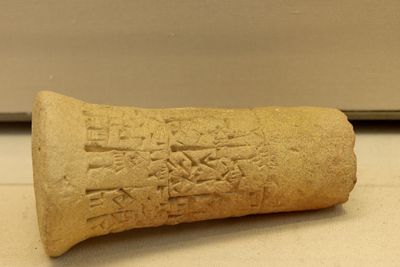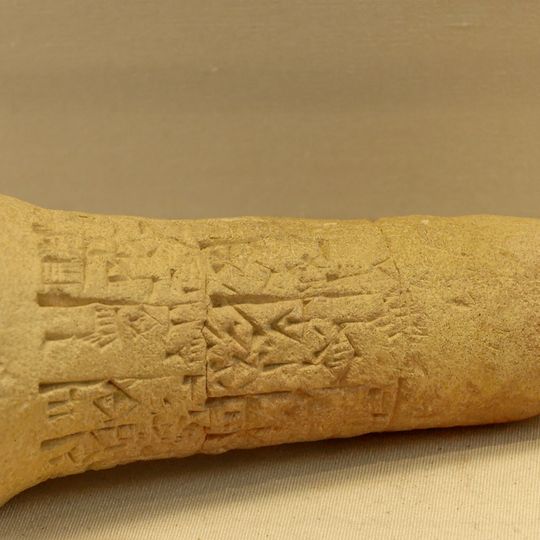
Bad-tibira, Archaeological site in Dhi Qar Province, Iraq.
Bad-tibira is an archaeological site in Dhi Qar Province in southern Iraq, located roughly midway between the towns of Ash Shatrah and Tell as-Senkereh. The remains cover several square kilometers and reveal foundations of temples, residential buildings, and fortifications made from mud-brick.
The settlement reached its height around 2100 BC, when it served as the second city after the flood to hold kingship in Sumer. A canal built by Ur-Nammu supplied water to the population and enabled trade.
The name reflects the settlement's role as a center for copper processing, which gave it a special position in the ancient world. Shrines for local deities shaped the daily life of residents and drew pilgrims from across the region.
The excavation site lies in an open, flat landscape with little shade, so visiting during cooler morning hours is advisable. Paths between the different areas are uneven and require sturdy footwear.
Greek writers mentioned the settlement under the name Pantibiblos, preserving the memory of its role in metalworking. The original name translates to Fortress of the Smiths, pointing to the craft tradition of its inhabitants.
The community of curious travelers
AroundUs brings together thousands of curated places, local tips, and hidden gems, enriched daily by 92,364 contributors worldwide.