Uruk, Archaeological site near Samawah, Iraq.
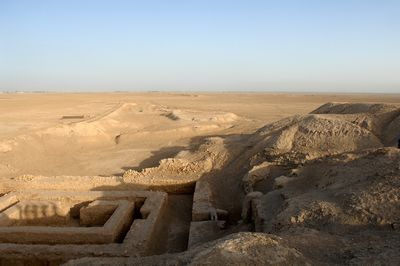
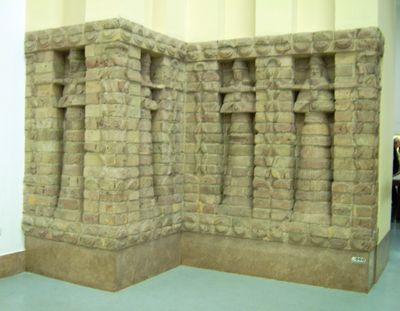
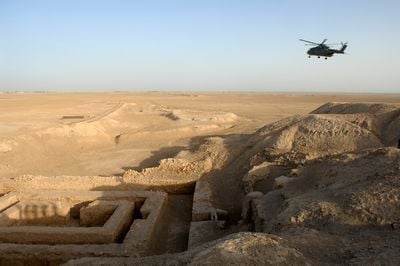
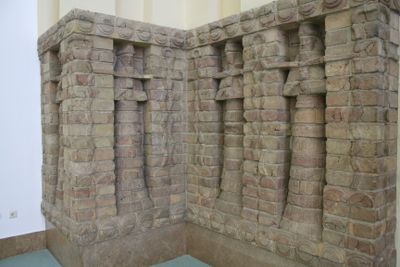
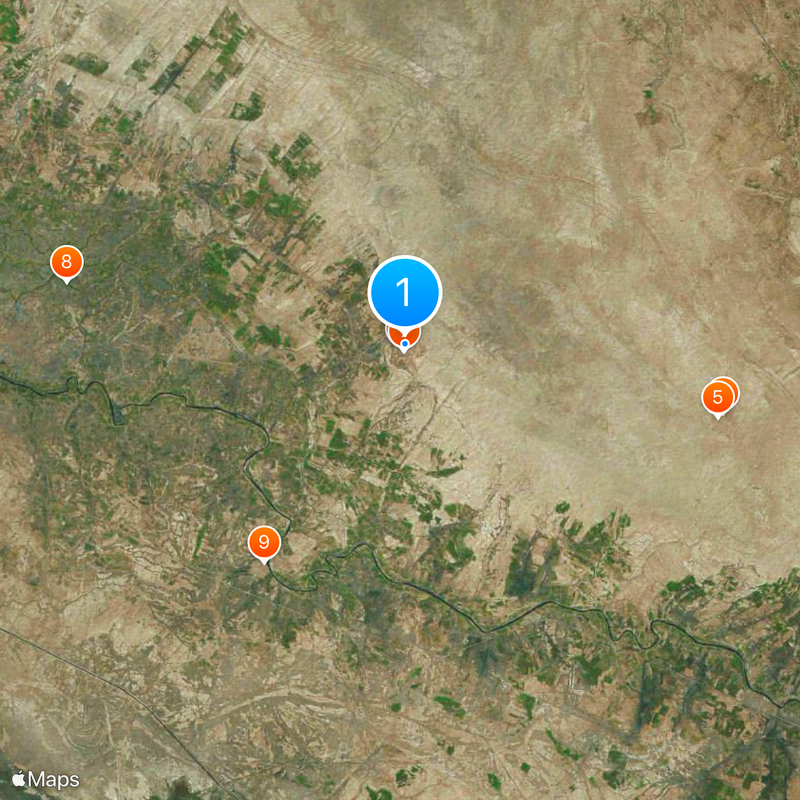
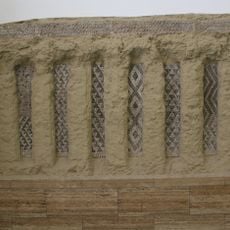
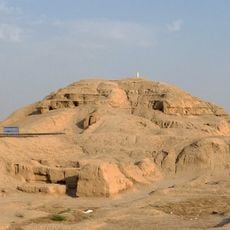
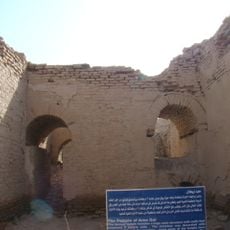
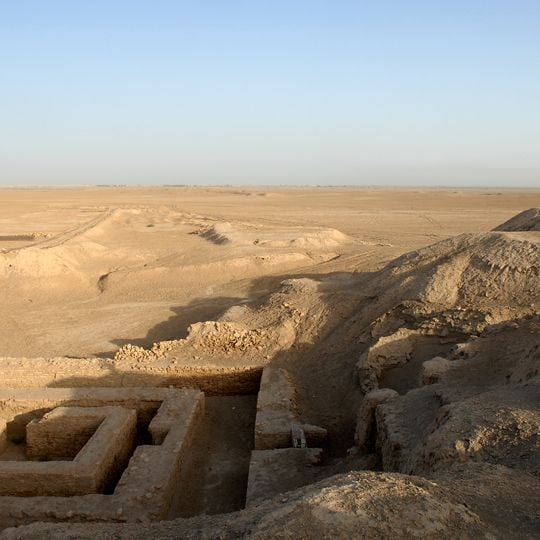
Uruk is an extensive archaeological site near Samawah in Iraq, spreading across a wide area of former urban structures along a former channel of the Euphrates River. The surface reveals numerous overlapping layers of wall remains, temple foundations, and residential zones, marked by partially exposed masonry and deep excavation trenches.
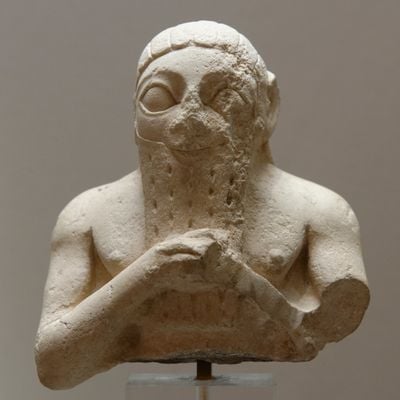
The urban area emerged around 5000 BCE as an early settlement and grew into a major center by approximately 3100 BCE. Over several millennia, the city evolved through different ruling periods and witnessed peaks of trade, administration, and religious activity.
The site now sits in a wide plain marked by desert dust and scattered earthen mounds, crossed by local herders and occasional visitors. People in the surrounding villages maintain traditional farming and crafts, treating the old ruins as a familiar part of their landscape.
Access to the site follows unpaved tracks across the wide terrain, which can become difficult after rain or strong wind. It is advisable to wear sturdy footwear and bring enough water, as the surrounding area offers little shade and becomes very hot in summer.
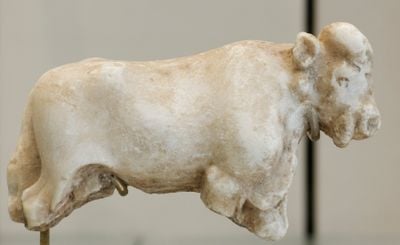
This is where the first known writing systems emerged around 3300 BCE, evidenced by numerous excavated clay tablets bearing early wedge-shaped marks. The tablets document everyday administrative tasks and offer a direct window into the earliest recorded human thought.
The community of curious travelers
AroundUs brings together thousands of curated places, local tips, and hidden gems, enriched daily by 90,863 contributors worldwide.