Eanna, Ancient temple complex in Uruk, Iraq
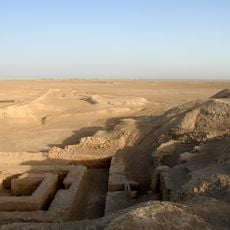
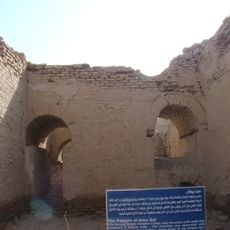
Eanna is a large temple complex in Uruk, Iraq, composed of several adjoining courtyards with thick mud-brick walls and remains of columns and gateways. The individual rooms and open areas cluster around a larger central space whose sandy surface stretches across several hundred meters.
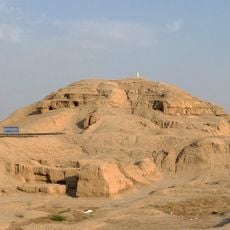
The complex arose around 4000 BCE during early city formation in Mesopotamia and stands as evidence of the first monumental buildings in the region. Later rulers expanded it repeatedly, with each phase adding new walls and rooms so that today several layers sit one atop the other.
The Sumerian name E-anna means "House of Heaven". Inanna's cult included the entu, high priestesses often from elite or royal families, and the gala, a gender-nonconforming clergy class who sang laments in the Emesal dialect. The sacred marriage rite united the king with the entu as the goddess.
The excavations lie open and are covered by loose sand, so visitors should bring sturdy footwear and sun protection. The path through the ruins runs over uneven surfaces that can become especially hot in warm weather.
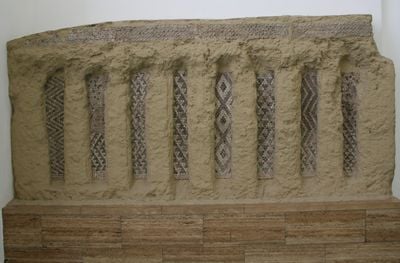
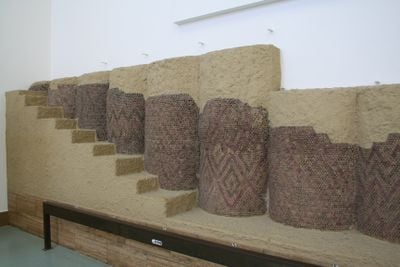
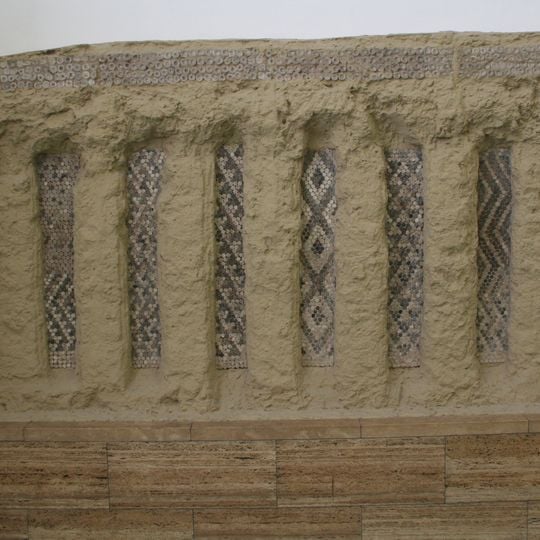
The stone-cone mosaics on the temple facades were made by driving thousands of small coloured clay cones into mud-brick walls, forming zigzags and diamonds. German excavations have identified up to 18 building levels in the Eanna sector, and the cones are still visible in the site's display of architectural fragments.
The community of curious travelers
AroundUs brings together thousands of curated places, local tips, and hidden gems, enriched daily by 92,608 contributors worldwide.