Pisagua, Chilean town
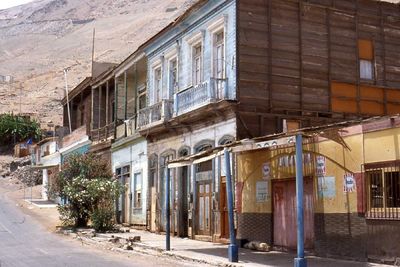
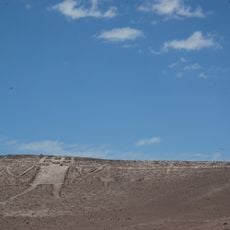
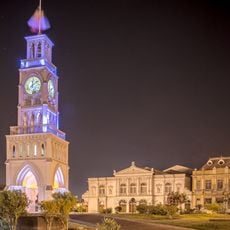
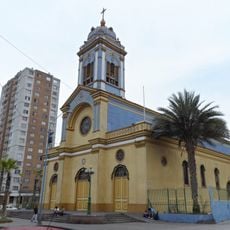
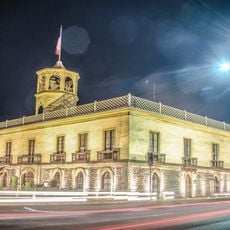
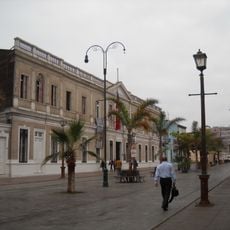
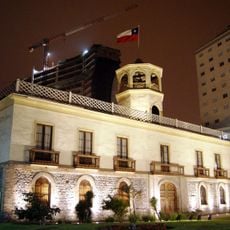
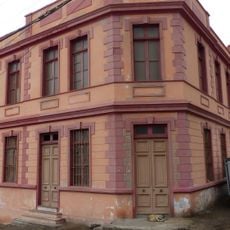
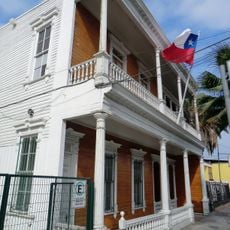
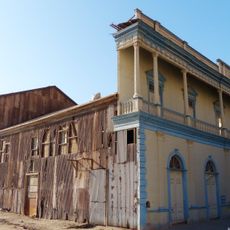
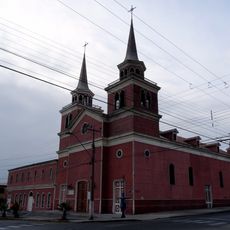
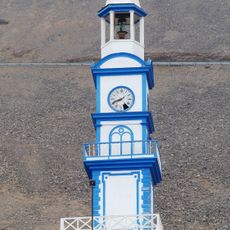
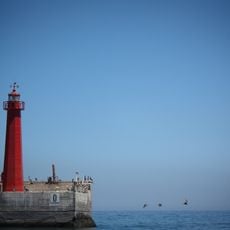
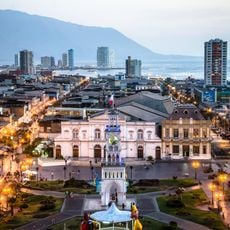
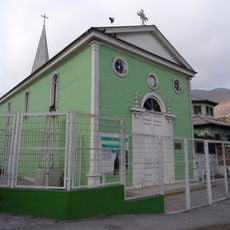
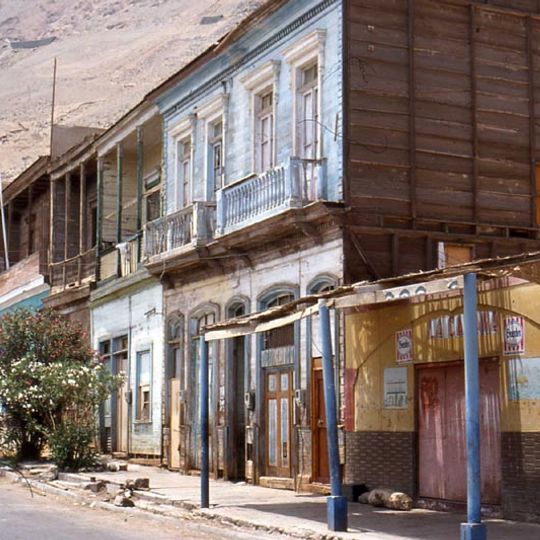
Pisagua is a small fishing port and settlement on the Pacific coast in northern Chile within Huara municipality. The town consists of simple buildings and fishing boats on the shore, positioned in an arid landscape between coastal cliffs and open sea.
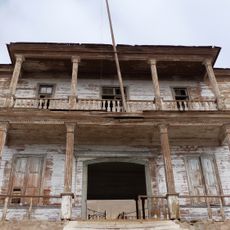
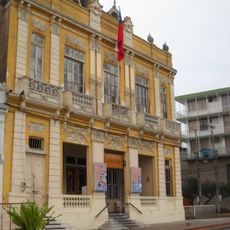
The settlement was founded around 1611 as a lookout point for precious metal shipments from inland mines. In the 1800s it became a major nitrate export port, but declined when the mineral industry faded in the 20th century.
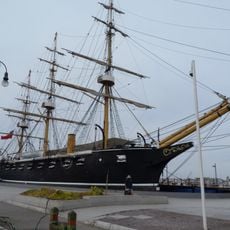
Fishermen's cooperatives in this settlement work to support local traditions and keep the community viable through small-scale fishing. Walking through the town, you can see how daily life centers on boats, nets, and the rhythm of catching and selling fish.
The town is remote with few shops or tourist services, so come prepared with supplies and information beforehand. A rented car or organized tour is the best way to visit since local public transport is limited.
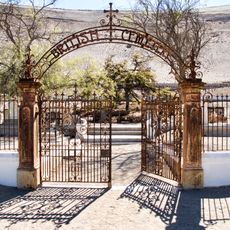
The town served as a detention camp for political prisoners during Pinochet's dictatorship, with graves still visible in the area today. This darker chapter is less known than its mining history but reveals the resilience of the community that continues living there.
The community of curious travelers
AroundUs brings together thousands of curated places, local tips, and hidden gems, enriched daily by 60,000 contributors worldwide.