Pikimachay, Archaeological cave site in Ayacucho Department, Peru.
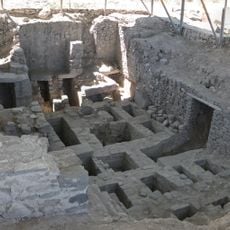
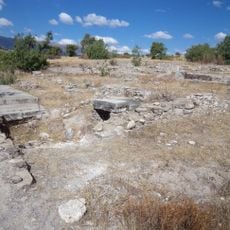
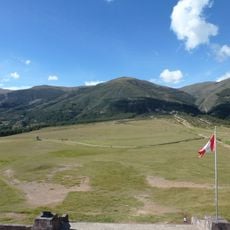
Pikimachay is a cave about 60 metres long on the right bank of the Pongora River, roughly 19 km north of Ayacucho in the Pacaycasa district. Its stratified deposits, excavated by Richard MacNeish, held stone tools made mostly of volcanic tuff from the cave itself, along with bones of extinct animals.
Archaeologists discovered evidence of human occupation in the 1960s, with findings suggesting groups used the cave as a shelter thousands of years ago. The objects found indicate that early hunters took refuge here while pursuing game across the surrounding high plains.
The name comes from Quechua: piki means flea and mach'ay means cave, so Piki Mach'ay is "flea cave". The cave also gives its name to the Piki complex, the Archaic layer (6000–4000 BC) where MacNeish found guinea pig bones and remains of pens with hearths, evidence of early guinea pig keeping.
Reaching the site from Huamanga takes around half an hour on an unpaved road through the Pacaycasa district. Visitors should wear sturdy shoes and take care during the rainy season, as the path can become slippery.
Researchers found preserved plant material here, including remains of bottle gourds that rank among the oldest evidence of plant use in the Peruvian highlands. These findings show that people began gathering and possibly cultivating plants much earlier than once thought.
The community of curious travelers
AroundUs brings together thousands of curated places, local tips, and hidden gems, enriched daily by 93,486 contributors worldwide.