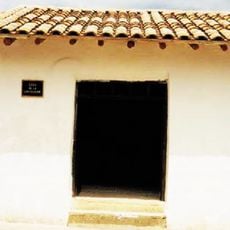
Wari archaeological complex, Archaeological site in Huamanga Province, Peru
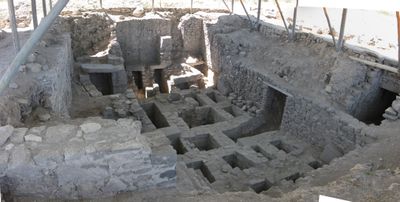
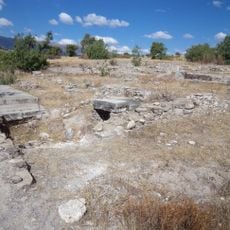
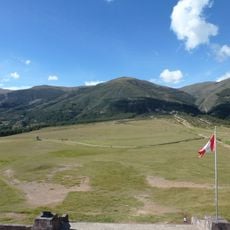
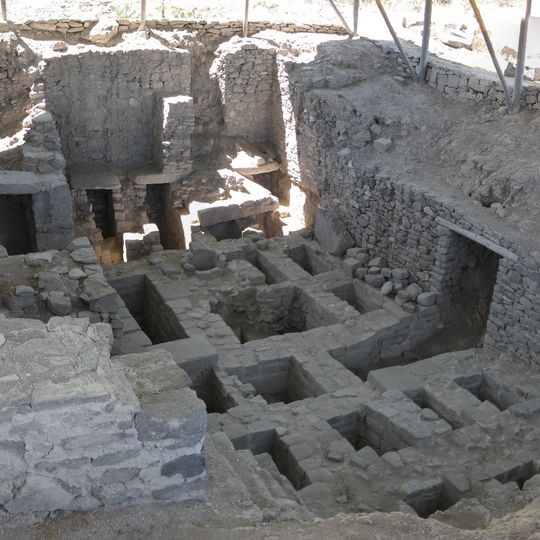
The Wari archaeological complex is a wide ancient site between the Pacaycasa and Taranayoc ravines at 2790 meters elevation. Stone structures with fine plaster and paintings in red and white spread across the terrain and divide into several sectors with different functions.
Wari was founded around 400 AD and grew into an urban capital by about 550 AD, housing an estimated 70,000 people from different cultures. Pedro Cieza de León described the ruins in 1553 as "Vinaque", noting they differed from Inca construction. The city was abandoned around 1000 AD; Julio C. Tello studied its ceramics in 1942 and Rafael Larco Hoyle linked the site to the Wari culture in 1948.
The site's name comes from Quechua: wari, and the sector names are also Quechua, such as Turquesayoc, the probable neighbourhood of jeweller artisans, and Mongachayoc, a subterranean gallery for collective burials. Wari women brewed chicha, a fermented drink with cultural and political weight, in maqma, urpu and puyno vessels, and grinding stones for its mass production have been found.
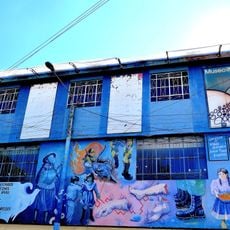
The on-site museum displays findings from excavations, including ceramics, textiles, and stone artifacts. It opens Tuesday through Sunday between 9am and 5pm.
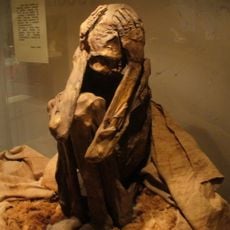
The monumental tomb at Wari had multiple subterranean galleries and passageways, likely holding one or several high-ranking individuals. It had already been looted before archaeologists surveyed it, so its contents are lost. Simpler burials were flexed adults in plain pits; intermediate ones used stone-lined pits with a lid.
The community of curious travelers
AroundUs brings together thousands of curated places, local tips, and hidden gems, enriched daily by 92,663 contributors worldwide.