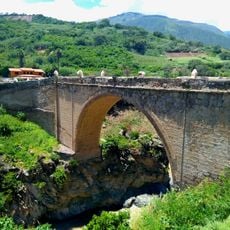
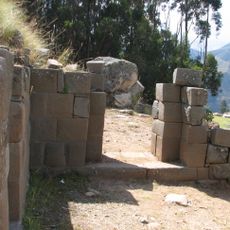
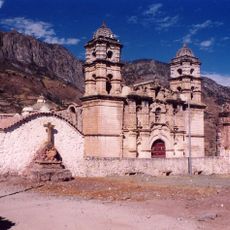
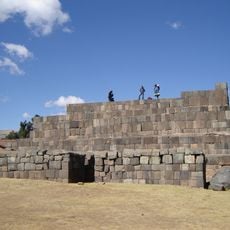
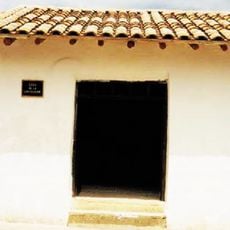
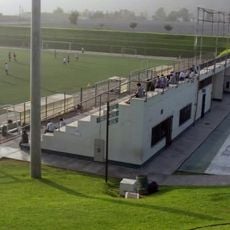
Campanayuq Rumi, Archaeological site in Vilcas Huamán, Peru.
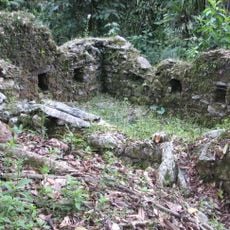
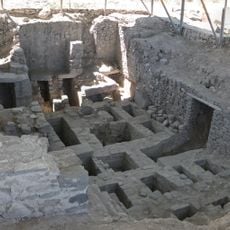
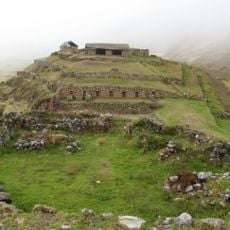
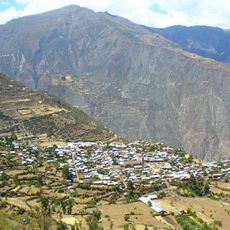
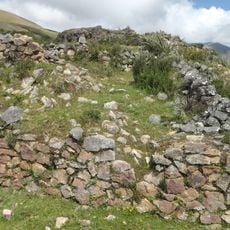
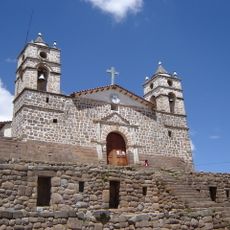
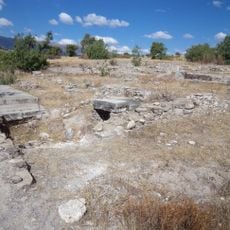
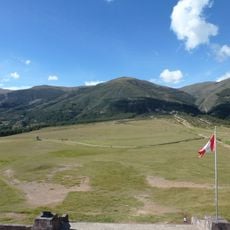
Campanayuq Rumi is an archaeological complex in Vilcas Huamán featuring terraced platforms arranged around a central plaza with ceremonial spaces at high elevation. The layout shows careful design with raised structures positioned to command views of the surrounding landscape and facilitate gathering.
Campanayuq Rumi's occupation begins with the Precampanayuq I phase (1100–950 BCE), attested only by charcoal samples beneath the monumental architecture. The Campanayuq I phase (950–500 BCE) saw the platforms and main plaza built in a short span, with pottery linking the site to other central Andean cultures. In Campanayuq II (500–450 BCE) a stairway was added to the central platform and Chavín de Huántar influence appeared in the ceramics, while local traditions persisted. Yuri Cavero and Yuichi Matsumoto sequenced this chronology.
The name blends Spanish and Quechua, meaning Stone of the Bell, reflecting how these two languages coexist in the Andean region. Visitors can observe this cultural mixing in the local names and place markers found throughout the site.
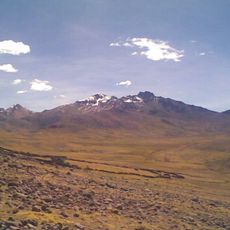
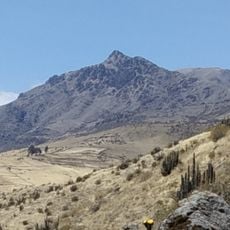
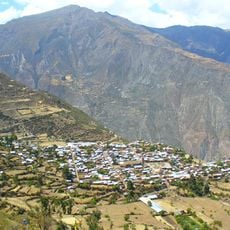
The site is located roughly 600 meters east of Vilcashuamán and requires proper hiking gear and acclimatization due to the high altitude. Visitors should allow time to adjust to the elevation and bring sturdy footwear and weather protection.
Researchers uncovered a sunken circular plaza at the top of the central platform in 2018, confirming its role as a regional ceremonial center. This hidden structure had been concealed beneath layers of earth for centuries until careful excavation revealed it.
The community of curious travelers
AroundUs brings together thousands of curated places, local tips, and hidden gems, enriched daily by 93,457 contributors worldwide.