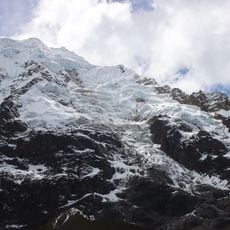
Yanaca, Archaeological site in Yanaca District, Peru.
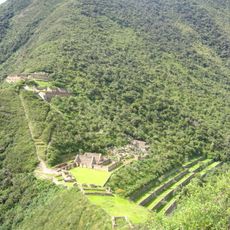
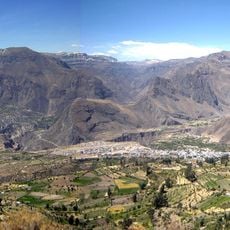
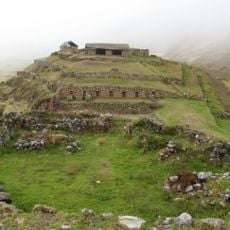
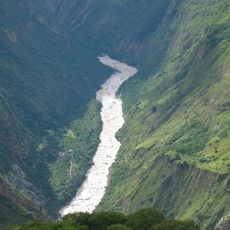
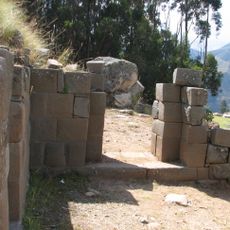
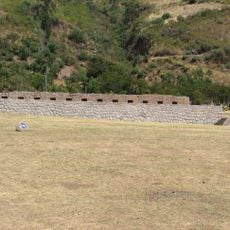
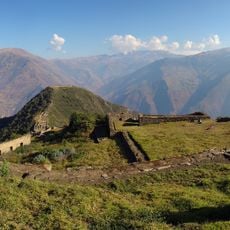
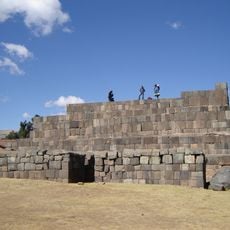
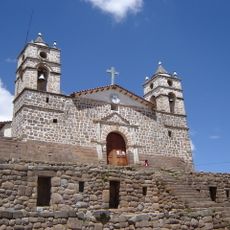
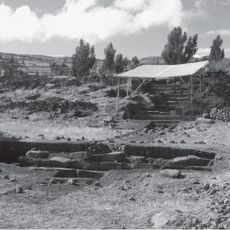
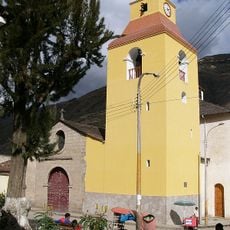
Yanaca is an archaeological site in the Andes at about 3500 meters in elevation, with stone structures, farming terraces, and water systems built by earlier cultures. The site contains several areas that show how people lived and worked in this mountain region.
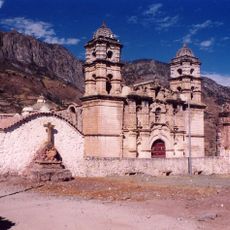
Yanaca was one of four sub-provinces into which the Inca divided the province of Aymaraes, and R. Tom Zuidema's research gave it an important role in Inca social, political and religious organization. According to Guaman Poma de Ayala, in 1350–1400 the Yana tribes submitted voluntarily to the Inca Mayta Capac and later to Capac Yupanqui, passing along the Atun Paqcha road by Yawarcco, which still exists. After the Spanish conquest, a 1572 census recorded 30,000 people in the Yanaca valley, and in 1720 the magistrate Juan de Beytia ordered the scattered towns separated into independent communities.
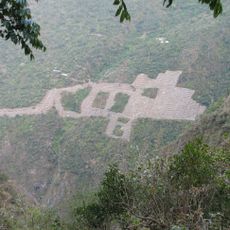
The remains show how earlier peoples used mountain slopes to grow crops and manage water for farming. Visitors can still see today how the terraces were built into the hillsides.
Visitors should know that the site is at high altitude and the climate can be cool and windy there. It is wise to wear sturdy shoes and prepare for conditions in this mountain region.
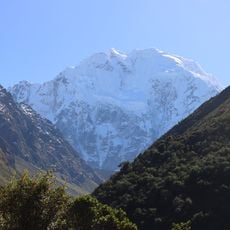
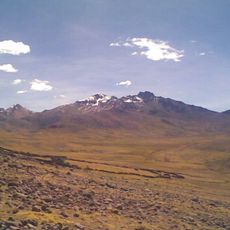
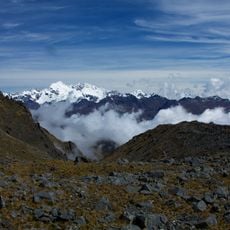
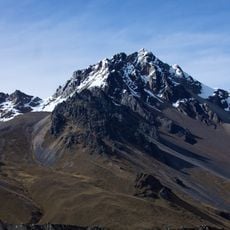
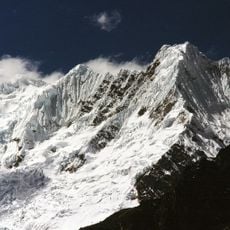
A nearby mountain called Condorccarcca served both as a ceremonial place and for tracking the sky and seasons. This double purpose shows how earlier cultures connected spiritual beliefs with practical knowledge about nature.
The community of curious travelers
AroundUs brings together thousands of curated places, local tips, and hidden gems, enriched daily by 93,363 contributors worldwide.