38th parallel north, Circle of latitude, global boundary
The 38th parallel north forms a continuous line around the globe at a latitude of 38 degrees north from the equator, passing over land and oceans. This line crosses parts of southern Europe, Asia, and North America, including regions in the United States, Turkey, and Japan.
After Japan's surrender in 1945, the United States and the Soviet Union chose this latitude to divide their occupation zones on the Korean Peninsula. This division eventually led to the establishment of two separate states in 1948 and became fixed after the Korean War from 1950 to 1953.
Visitors in Korea today can see a long demarcation line with watchtowers and a restricted zone that marks the border between the two nations. Communities on both sides have lived apart for several generations, so dialects and everyday habits have developed differently.
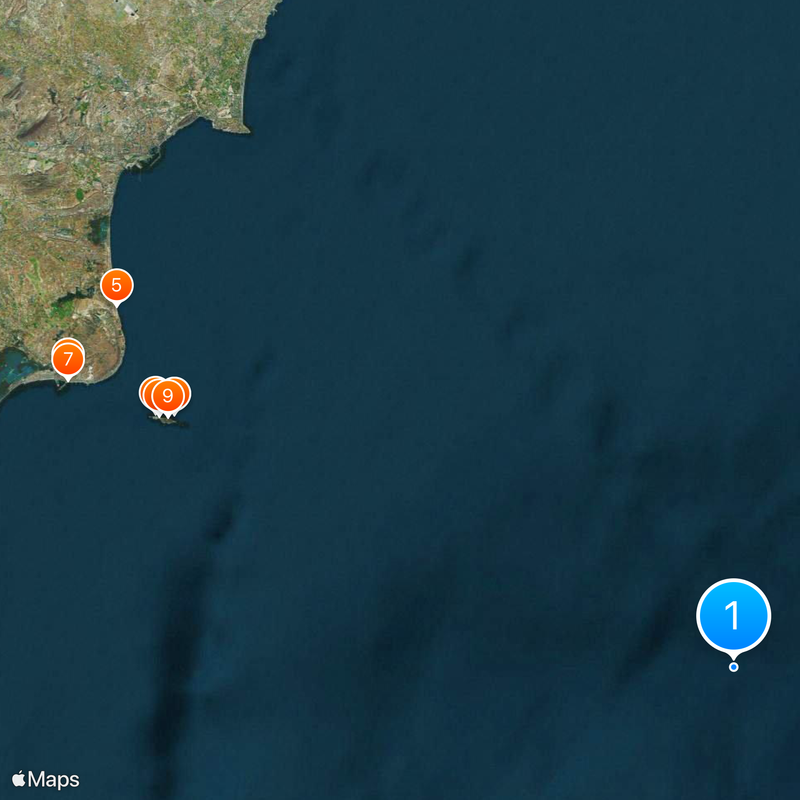
Hikers and travelers along this latitude can expect temperate climates with four distinct seasons, though local weather patterns vary considerably by continent. Mapping tools and navigation software often display this line as a reference when planning routes across large distances.
During summer solstice at this latitude, daylight lasts 14 hours and 48 minutes, while winter days persist for only 9 hours and 32 minutes. The sun reaches an angle of nearly 75 degrees at midday in summer in Korea, creating steep shadows in narrow urban alleys.
The community of curious travelers
AroundUs brings together thousands of curated places, local tips, and hidden gems, enriched daily by 91,713 contributors worldwide.