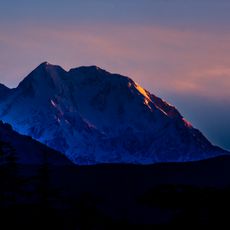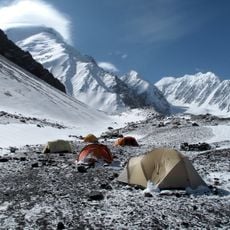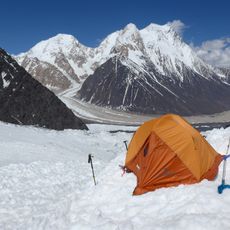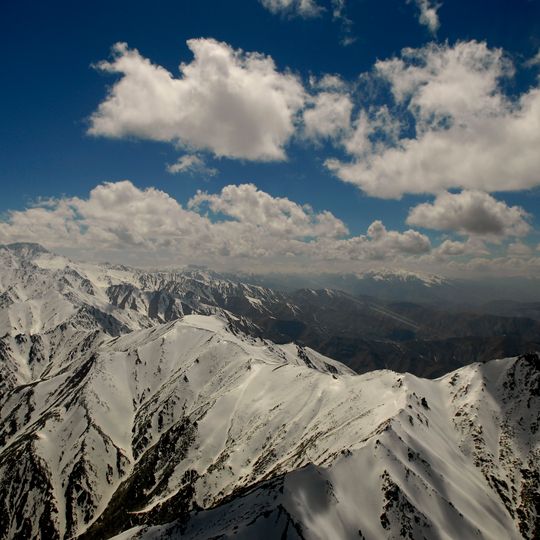
Hindu Kush, Mountain range between Afghanistan and Pakistan
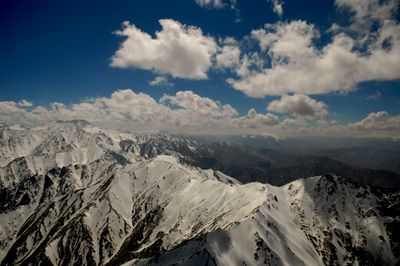
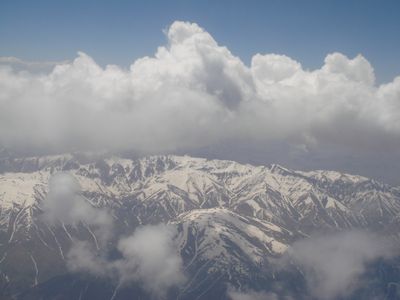
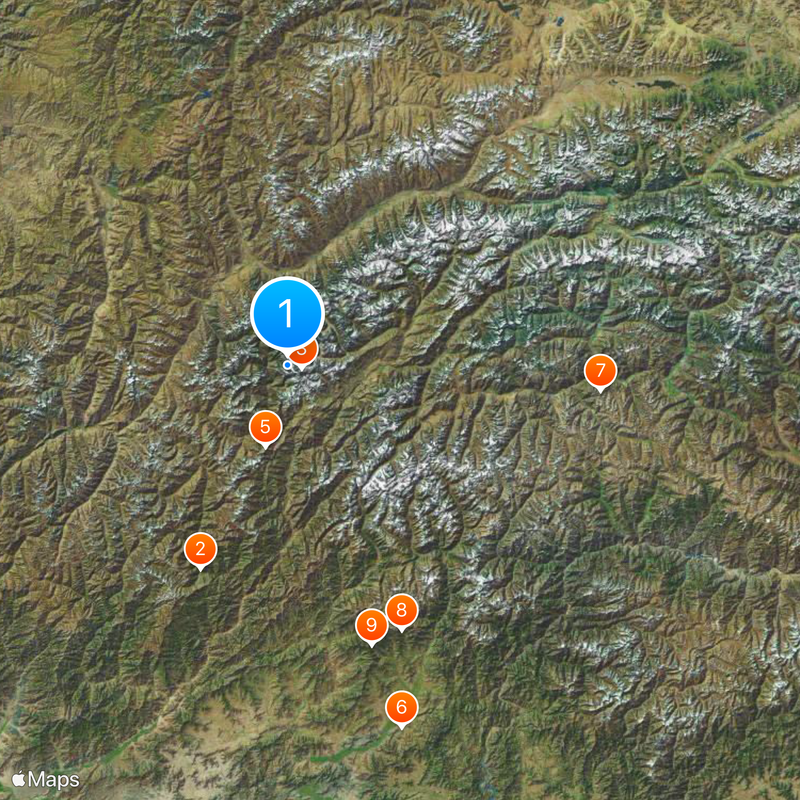
The range stretches 800 kilometers through Central and South Asia, with peaks rising to 7,708 meters at Tirich Mir. Its ridges and valleys form a natural barrier between Pakistan and Afghanistan, crossed by narrow passes and glacier-fed rivers.
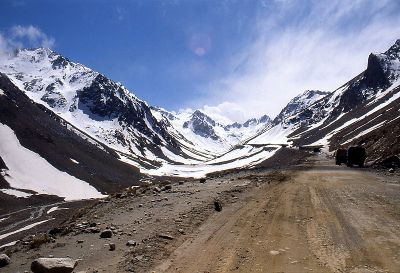
The mountain passes served for centuries as routes for armies, including those of Alexander the Great and Genghis Khan during their campaigns into India. These routes shaped the course of trade lines and political boundaries throughout the region.
Shepherds today still move large herds through the valleys, often following old routes passed down through generations. In the surrounding villages, travelers encounter small mosques and communal areas where local life gathers for markets and celebrations.
The region experiences around four major earthquakes each year, caused by the collision of two tectonic plates. Travelers should prepare for rough weather conditions, as the climate at high elevations shifts quickly and passes often become inaccessible.
The mountain system creates distinct climate zones that influence valley agriculture, requiring extensive irrigation for crops at high elevations. Each valley has developed its own planting methods, often adapted to sun exposure and water availability along the slopes.
The community of curious travelers
AroundUs brings together thousands of curated places, local tips, and hidden gems, enriched daily by 60,000 contributors worldwide.