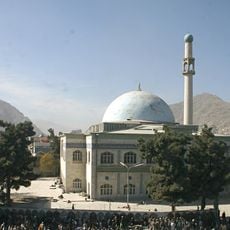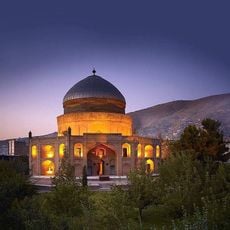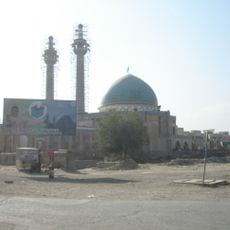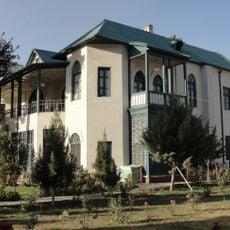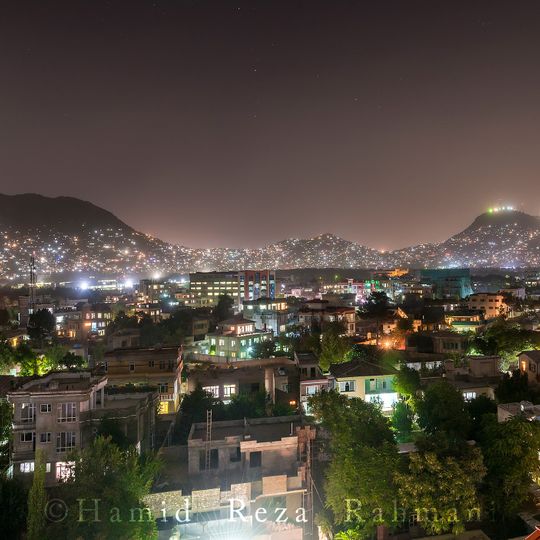
Kabul, Capital city in eastern Afghanistan.
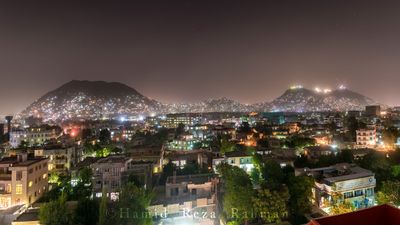
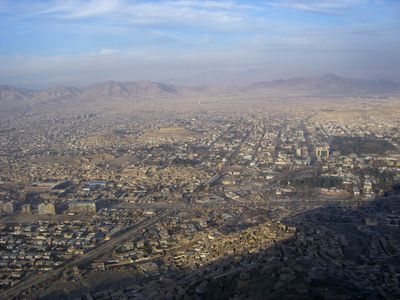
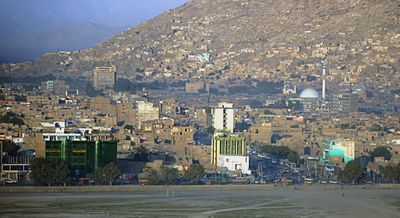
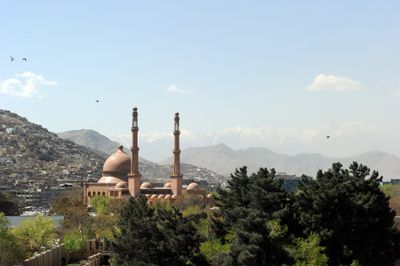
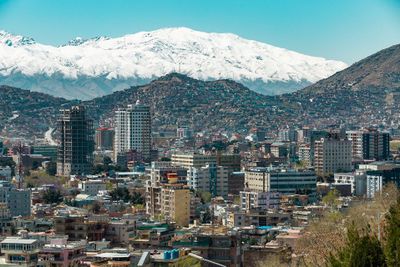
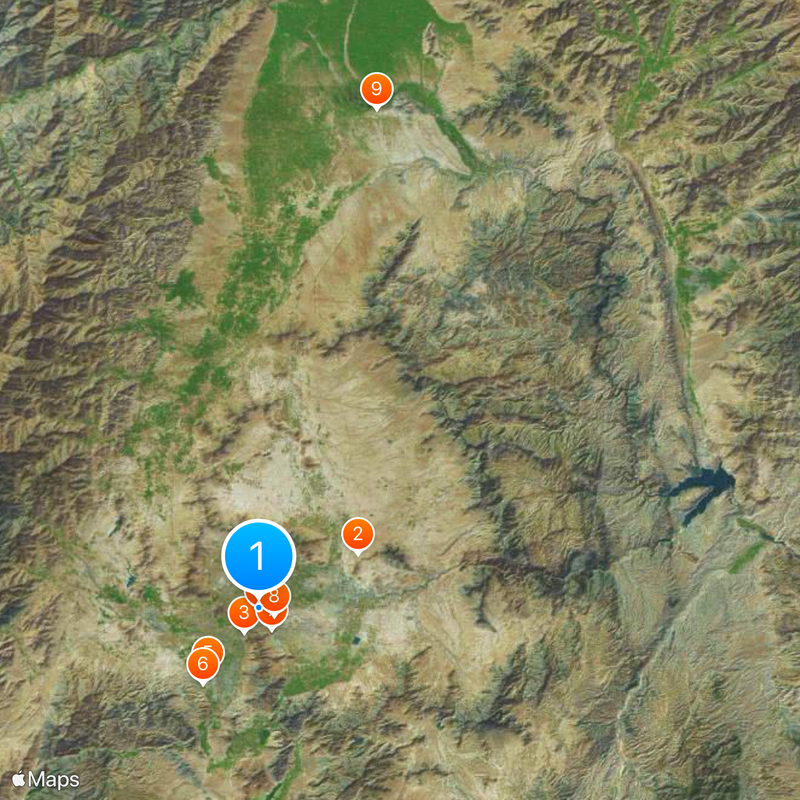
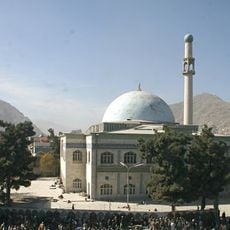
Kabul sits at an elevation of 1790 meters and occupies a valley surrounded by mountain ranges, with the river of the same name running through its territory. The city comprises 22 municipal districts that house different ethnic communities and developed primarily along the northern riverbank.
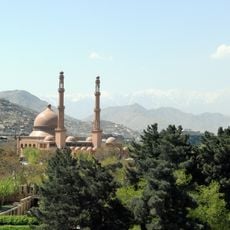
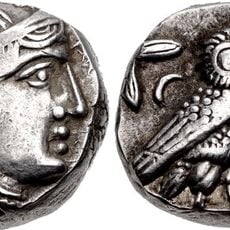
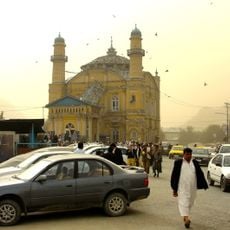
The settlement near the current site dates back approximately 3500 years and served as a crucial point along Asian trade routes. The area came under successive rule by Persian, Mughal and Timurid dynasties, each leaving their architectural and cultural marks.
Tea vendors line the streets throughout the day, while local bakeries produce fresh naan bread that residents collect in the early morning. Markets display handwoven carpets and metalwork, where sellers bargain with customers and exchange stories over cups of green tea.
Public bus networks and charter services connect the area to other provinces, while the international airport handles flights to and from domestic and foreign destinations. Visitors should check local security conditions before arrival and travel with local guides when exploring different districts.
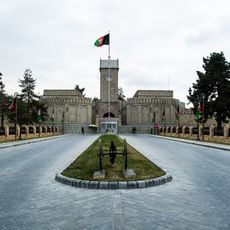
The National Museum of Afghanistan and the former royal palace house collections representing different periods through artifacts and architectural elements. Some districts preserve gardens from the Mughal era that once served as royal retreats during hot summer months.
The community of curious travelers
AroundUs brings together thousands of curated places, local tips, and hidden gems, enriched daily by 90,753 contributors worldwide.