Kavajë, city of Albania
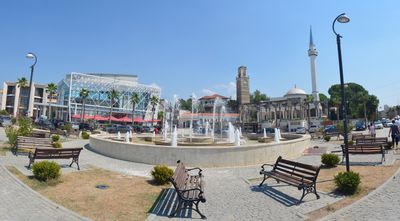
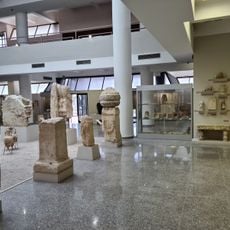
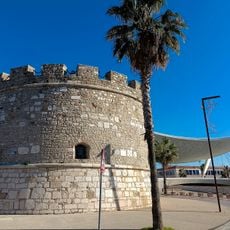
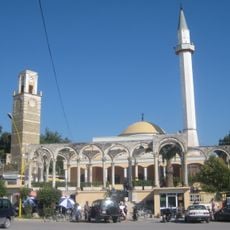
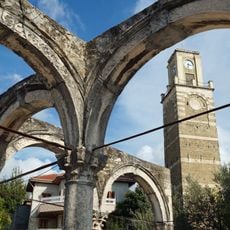
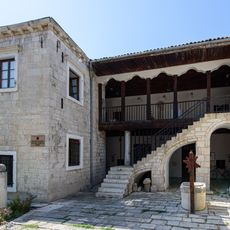
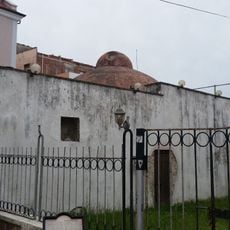
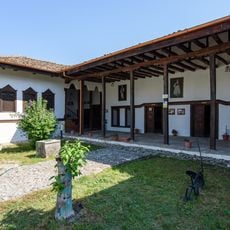
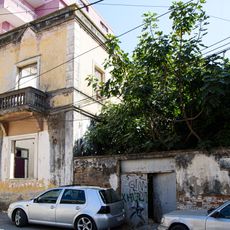
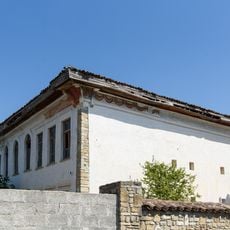
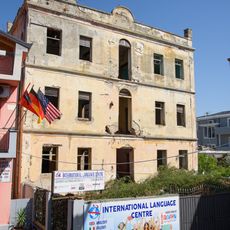
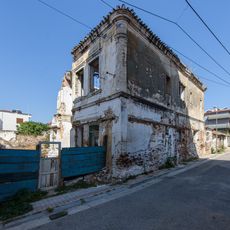
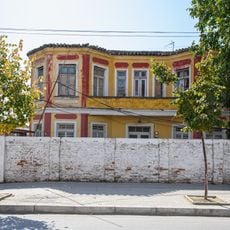
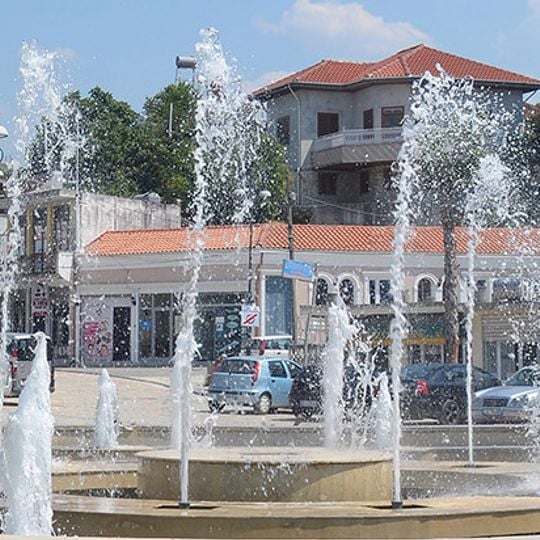
Kavajë is a city in western Albania near the Adriatic coast, with narrow streets and old buildings still used by local residents. The city sits on flat, fertile ground and contains structures like the Clock Tower built in the early 1800s and the Ethnographic Museum housed in a restored traditional-style building.
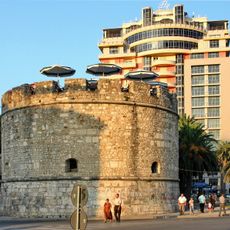
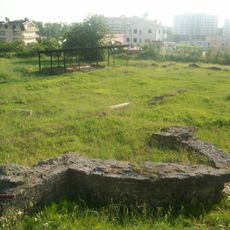
Kavajë was known in ancient texts as Cavalli or Kabalion and lay on the Roman road Via Egnatia, making it an important trading point. During the Middle Ages, local noble families like the Skuraj and Matrangaj controlled the city, and later under Ottoman rule it was known as a thriving place with gardens and workshops.
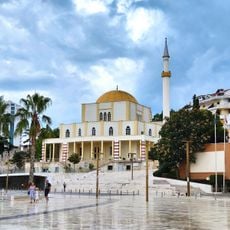
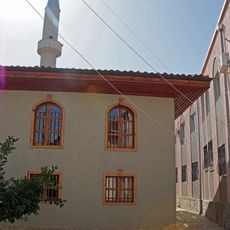
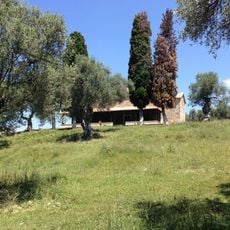
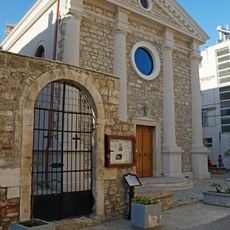
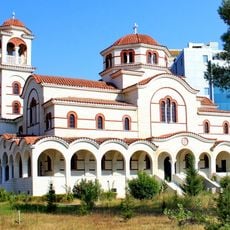
Kavajë maintains a strong connection to its agricultural heritage, visible in local markets filled with fresh vegetables and fruits grown on surrounding farms. The city reflects both Muslim and Orthodox Christian traditions through its mosques and churches, which serve as gathering places for different communities.
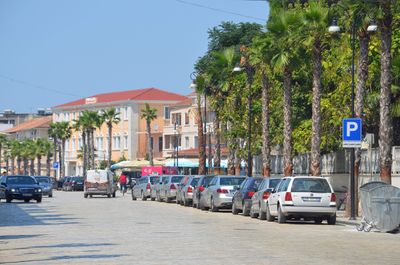
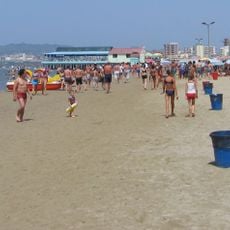
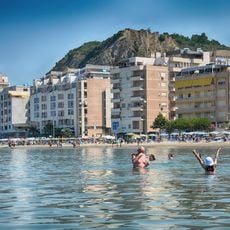
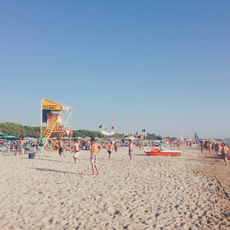
The city is easy to explore on foot, with flat ground and small, manageable streets. The best time to visit is in the warmer months, when local markets are busy and nearby beaches are accessible.
In the 1990s, Kavajë was the site of protests against the old regime when citizens burned the police building in the streets. This event marked a turning point in the city's modern history and showed the people's desire for change.
The community of curious travelers
AroundUs brings together thousands of curated places, local tips, and hidden gems, enriched daily by 91,132 contributors worldwide.