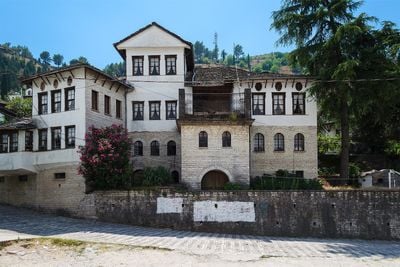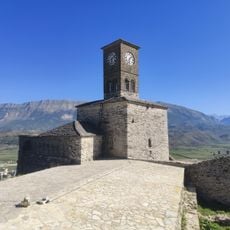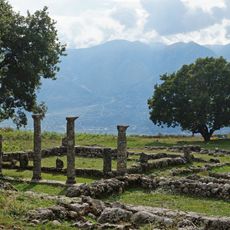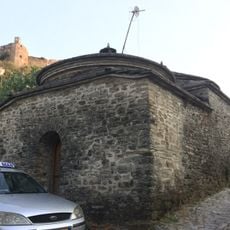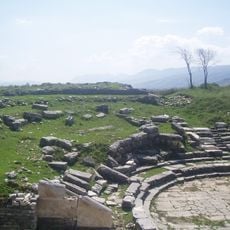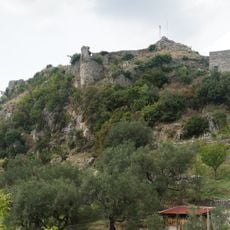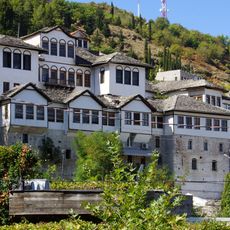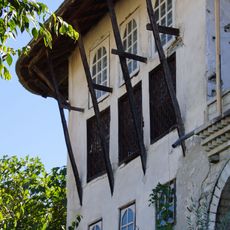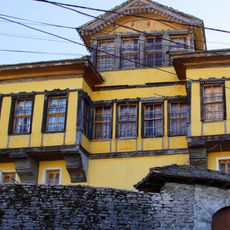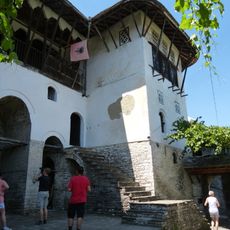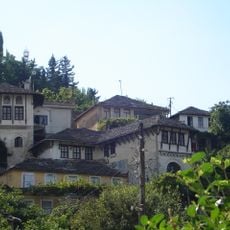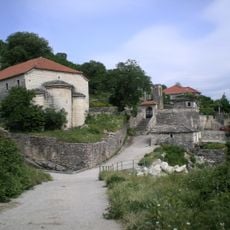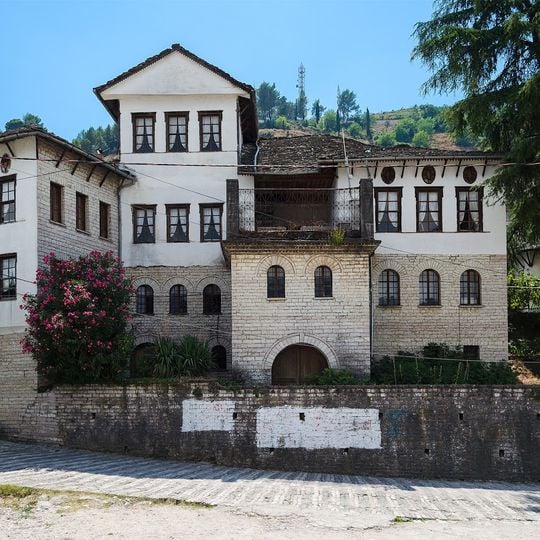
Gjirokastër Ethnographic Museum, Ottoman ethnographic museum in Palorto Quarter, Gjirokastër, Albania.
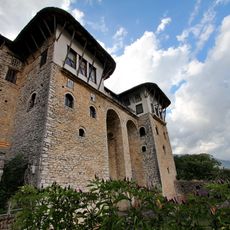
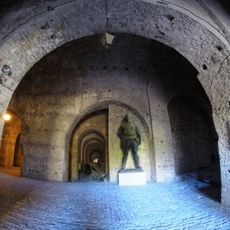
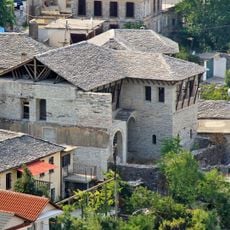
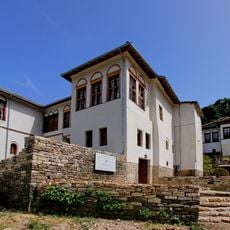
The Gjirokastër Ethnographic Museum is a four-story building in the Palorto Quarter arranged to show how traditional houses in this city were laid out and furnished. Each level contains rooms with period furnishings and decorations that reflect typical domestic arrangements from the Ottoman era.
The building was completed in 1966 and initially served as an Anti-Fascist Museum before being repurposed as an ethnographic space in 1991. This transformation marked a shift from political narrative to focus on domestic life and social history.
The museum displays household items, folk costumes, and personal belongings from wealthy families under Ottoman rule. Through these objects, visitors can understand how people lived and what mattered most in their daily routines.
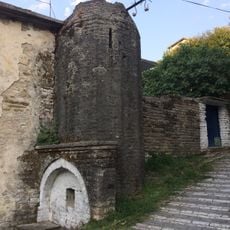
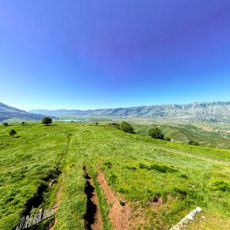
The museum is located in the Palorto Quarter, which sits on a hillside with steep streets and stairs throughout the area. Comfortable shoes and an unhurried pace help visitors navigate the neighborhood and explore all four floors of the house.
The building retains the original spatial layout of a traditional Gjirokastra residence, allowing visitors to understand authentic domestic arrangements of the era. The floor plans reveal how families separated private areas from public entrances and how multiple generations shared living spaces.
The community of curious travelers
AroundUs brings together thousands of curated places, local tips, and hidden gems, enriched daily by 92,305 contributors worldwide.