Orbelian's Caravanserai, Caravanserai at Vardenyats Mountain Pass, Vayots Dzor Province, Armenia
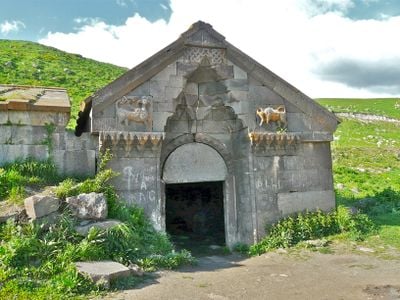
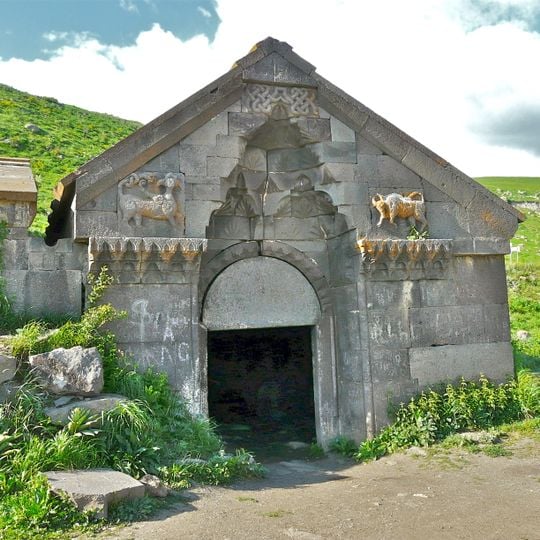
Orbelian's Caravanserai is a basalt structure at the southern side of Vardenyats Mountain Pass, 2,410 metres up. Its gabled vestibule opens into a hall 13 by 26 metres, split into three naves by seven pairs of polyhedral pillars, with stone troughs between them for 64 horses and two small rooms for travellers at the western end.
Chesar Orbelian, son of Prince of Princes Liparit and grandson of Ivane, built the caravanserai in 1332 with his own funds, as his Armenian inscription on the eastern interior wall records, during the rule of Busaid Khan. It served travellers crossing the Vardenyats (Selim) Pass on the Silk Road. Ruined in the 15th–16th centuries, it was restored in 1956–1959, when the roof slabs, south wall, inner walls and arches were repaired.
The entrance displays carved winged creatures and bulls, while the inner walls bear inscriptions in Armenian, Persian, and Arabic reflecting the meeting of different peoples along trade routes.
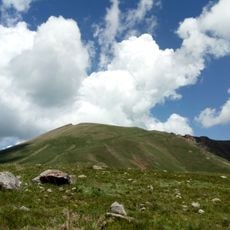
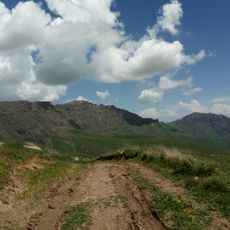
The caravanserai stands at 2,410 metres on the southern side of the Vardenyats Mountain Pass, beside the Yeghegnadzor–Martuni road. The single entrance leads through a vestibule into the hall, so the interior is explored on foot. The ground is uneven and the pass is exposed to wind; sturdy shoes help.
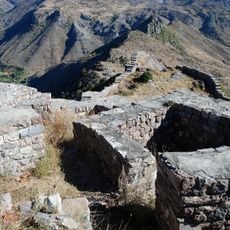
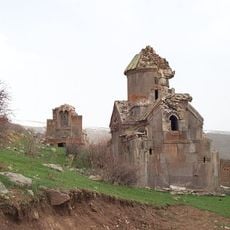
The ruins east of the vestibule were long thought to be a church, but excavations in 2014 disproved this, though the building's actual purpose remains unclear. The Armenian inscription inside the eastern wall names Chesar Orbelian, his mother Ana and his wife Khorishah, and asks passers-by to remember the donors in Christ.
The community of curious travelers
AroundUs brings together thousands of curated places, local tips, and hidden gems, enriched daily by 92,762 contributors worldwide.