Tchitundo-Hulu, Rock art site near Namib Desert, Angola
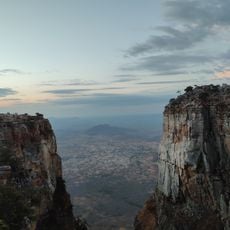
Tchitundo-Hulu is an archaeological complex with four distinct locations featuring engravings and paintings spread across granite formations in southwestern Angola's Namibe province. The rock surfaces and shelters contain over 180 preserved artworks created with red or white pigments.
The site was first documented in 1953 by José Camarate Andrade França and contains rock art dating to the early first millennium BC according to radiocarbon analysis. This indicates that the region has been home to artistic people for at least 3000 years.
The engravings show circle patterns, human figures, animals, and geometric shapes in red or white pigments across rock walls and shelters. These images offer a window into the daily life and beliefs of the people who created them.
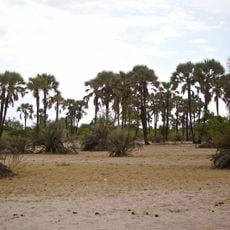
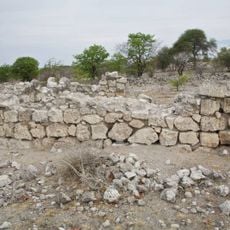
The main site lies about 140 kilometers east of Moçâmedes at an elevation of roughly 730 meters and requires hiking across rocky terrain to explore all four locations. Bring plenty of water and prepare for limited shade and open landscape.
The ensemble contains rare human figures with raised arms, possibly depicting religious or ceremonial significance. This pose appears in few other African rock art sites, making these works especially valuable for understanding ancient cultures.
The community of curious travelers
AroundUs brings together thousands of curated places, local tips, and hidden gems, enriched daily by 91,149 contributors worldwide.