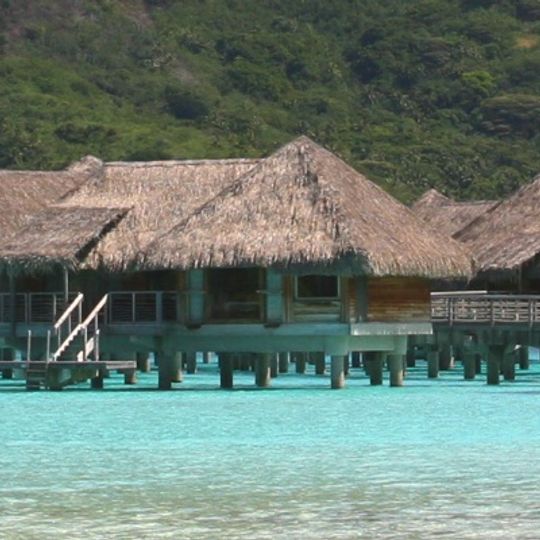
Society Islands, Archipelago in South Pacific Ocean, French Polynesia
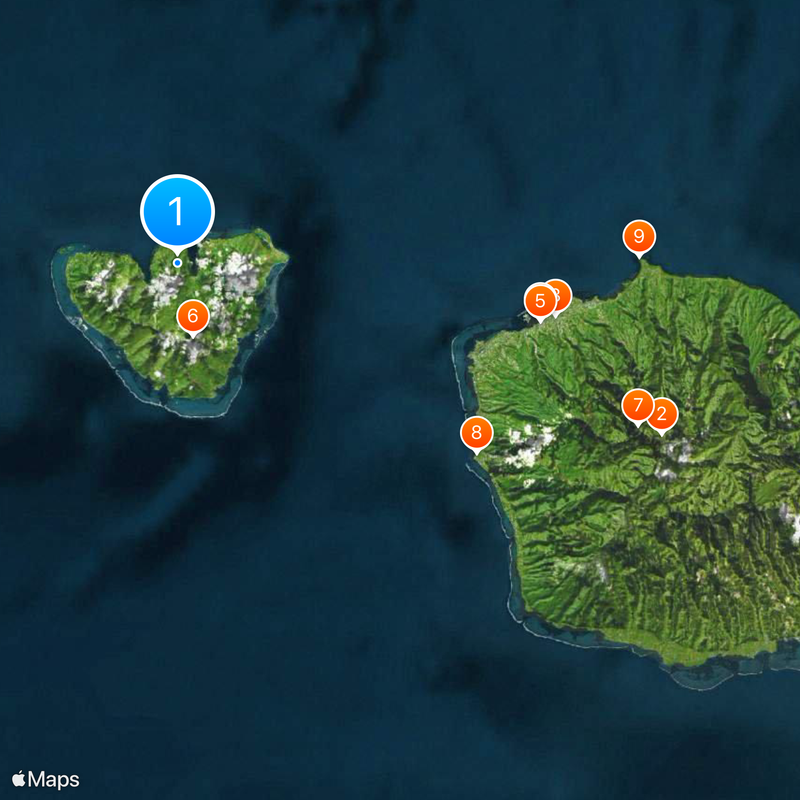
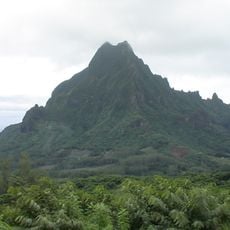
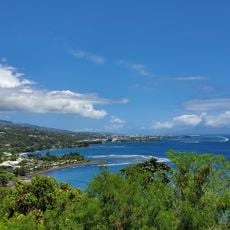
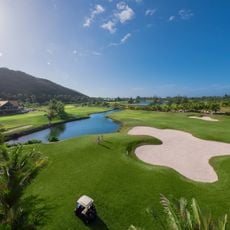
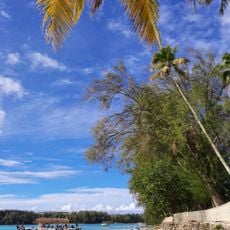
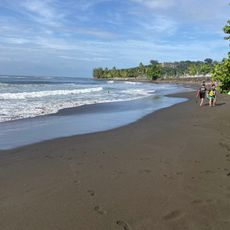
This archipelago comprises fourteen volcanic islands scattered over roughly 725 kilometers in the South Pacific, separated into the Windward and Leeward groups. Tahiti and Moorea stand among the most visited of these islands, while Raiatea and Huahine lie farther west and offer calmer lagoons.
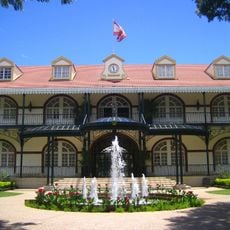
James Cook named the islands in 1769 after the Royal Society of Britain, which funded his scientific voyage to the Pacific. France took control of the region from 1842 onward and later incorporated it officially into its overseas territory.
Outrigger canoes still travel between the islands today, keeping alive the seafaring traditions of Polynesian navigators. Carved wood and woven pandanus leaves decorate the markets on the larger islands, showing traditional craftsmanship passed down through generations.
Small propeller planes connect the islands to each other, with the international airport on Tahiti serving as the main hub. Travelers planning longer trips across open ocean should watch for changing weather and check conditions before setting out.
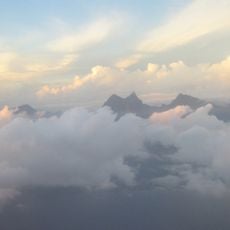
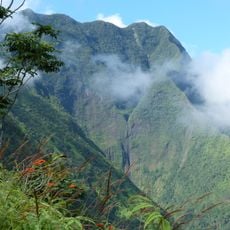
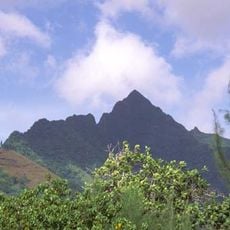
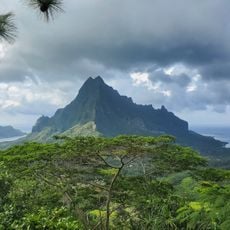
Mount Orohena on Tahiti rises to 2241 meters (7352 feet) above the ocean and forms the highest point across the entire archipelago. Its summit region often stays wrapped in clouds and remains difficult for hikers to reach.
The community of curious travelers
AroundUs brings together thousands of curated places, local tips, and hidden gems, enriched daily by 92,508 contributors worldwide.