Maule River, Major river in central Chile
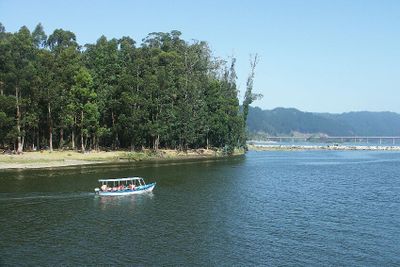
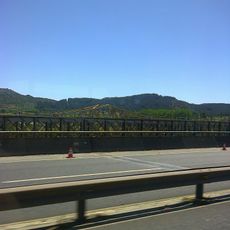
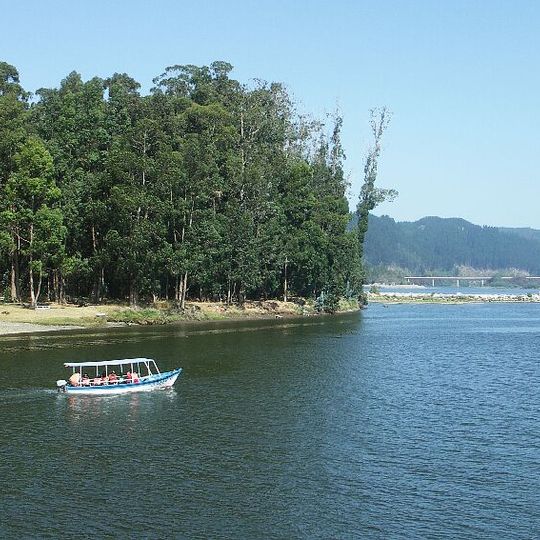
The Maule River is a waterway in central Chile that flows from mountain sources in the Andes down toward the Pacific coast, passing through various terrain. The river creates different landscapes along its course, with steeper sections in the highlands and wider valleys as it approaches the ocean.
This waterway once marked the southern boundary of the Inca Empire, serving as a natural limit to their territorial reach in the region. After Spanish arrival in the 16th century, the river basin became a major area for farming and settlement development.
The river shapes daily life for people in the region who harness its water for farming and energy, with vineyards covering the surrounding slopes. Local artists and writers have long drawn inspiration from the river's changing landscapes and the rhythm of the seasons.
The river basin is most accessible from surrounding roads and towns that offer various viewing points and access areas along the banks. The region has a Mediterranean climate with dry summers, so spring and autumn offer the most comfortable conditions for visiting.
The river system supplies water for roughly half of Chile's wine production, supporting vineyards that trace their roots back to the 1830s. This winemaking heritage in the surrounding valleys has shaped local identity and remains central to the region's economy.
The community of curious travelers
AroundUs brings together thousands of curated places, local tips, and hidden gems, enriched daily by 92,839 contributors worldwide.