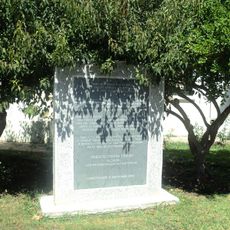
Cueva de los patriotas, Historical cave in Robinson Crusoe Island, Chile.
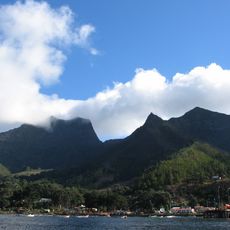
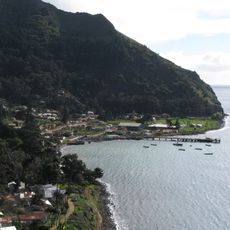
Cueva de los Patriotas is a group of excavations dug in the 18th century into the rock of Cumberland Bay, on Robinson Crusoe Island in the Juan Fernández archipelago. The openings were cut to shelter prisoners condemned by the Real Audiencia of Santiago and Quito, and in 1814 exiled leaders of the Patria Vieja used them for protection from the weather.
The excavations were dug in the 18th century under Viceroy of Peru José Antonio Manso de Velasco, following a 1749 royal decree that made Robinson Crusoe Island a penal colony for prisoners condemned by the Real Audiencia of Santiago and Quito. After the Battle of Rancagua in November 1814, authorities of the Patria Vieja were deported on the corbeta Sebastiana and sheltered in the diggings. In March 1817 the brig Águila brought their release.
The name recalls the patriots of the Patria Vieja exiled here after the 1814 Battle of Rancagua, among them figures such as Manuel de Salas, who kept diaries of the crossing. They shared the island with common criminals and later with royalist prisoners, and were freed in March 1817 after Chacabuco, when the brig Águila was sent from the mainland.
The excavations lie in Cumberland Bay on Robinson Crusoe Island, reached by boat from the mainland; the crossing and landings depend on sea conditions. The site is a National Historic Monument together with Fuerte Santa Bárbara, so check locally before walking to the bay. The island's weather changes quickly, so carry rain protection.
The excavations were ordered under Viceroy José Antonio Manso de Velasco and a royal decree of 1749, which sought both to remove convicts from society and to populate the island against the Crown's enemies. The first settlers sailed from Concepción aboard Las Caldas on 11 March 1750.
The community of curious travelers
AroundUs brings together thousands of curated places, local tips, and hidden gems, enriched daily by 94,113 contributors worldwide.