Península de Hualpén Nature Sanctuary, Nature reserve near Concepción, Chile
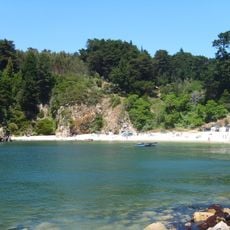
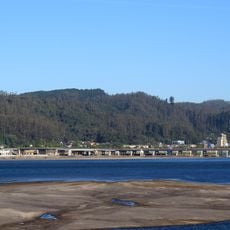
This nature reserve stretches along the coast south of Concepción and combines rocky cliffs, sandy beaches, native forests, and ocean habitats into one continuous landscape. The different terrain types support various plants and animals that depend on both land and sea environments.
The peninsula received formal protection in 1976 to safeguard its ecosystems and species facing extinction. A museum was later established to document the region's natural history and cultural importance.
The name Hualpén comes from Mapudungun "wallpen", meaning "look around you". The Lafkenche, who settled here around 2500 BC and hunted marine mammals, called the hill-island Tren Tren and held it sacred. Caleta Chome grew around a whaling plant that operated until 1983, when the international ban on whaling closed it; its workers' families still live there.
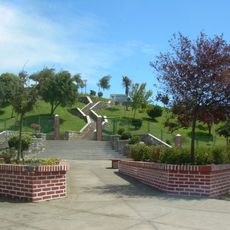
Most of the peninsula is private land: the Hualpén, Santa Eloísa, Las Escaleras, Chome, Perone, Ramuntcho and Lenga estates. The only public property is the Chilean Navy sector at the Punta Hualpén lighthouse. Access on foot is therefore limited to the Pedro del Río Zañartu Park, 552 hectares beside the Biobío mouth, and to the fishing coves such as Caleta Chome.
The peninsula's oldest rocks, over 330 million years old, rise up to 50 metres high within the sanctuary. The Lafkenche called the hill-island Tren Tren and considered it sacred, and the whale-processing plant at Caleta Chome operated until 1983, when the international whaling ban closed it.
The community of curious travelers
AroundUs brings together thousands of curated places, local tips, and hidden gems, enriched daily by 92,815 contributors worldwide.