Archipiélago de Juan Fernández National Park, National park on three Pacific islands in Valparaíso Region, Chile.
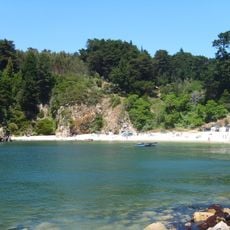
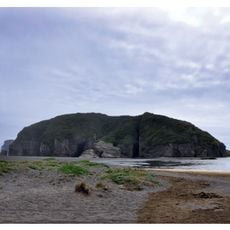
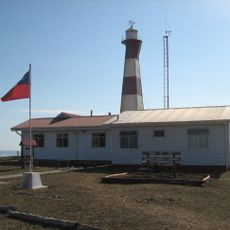
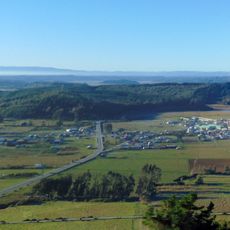
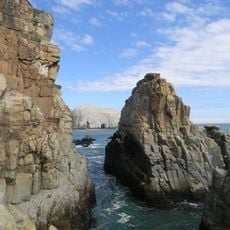
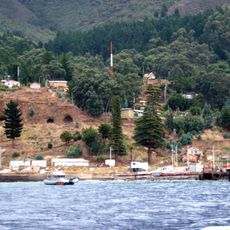
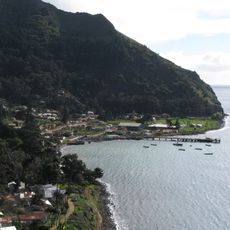
Archipiélago de Juan Fernández National Park encompasses three volcanic islands situated in the Pacific Ocean within Valparaíso Region. The three islands cover approximately 9,570 hectares and feature dramatic coastlines, steep terrain, and diverse plant life adapted to the remote island environment.
Chile established this protected area in 1935 to safeguard the islands' distinctive ecosystems. UNESCO designated the park as a Biosphere Reserve in 1977, recognizing its importance for global biodiversity conservation.
Robinson Crusoe Island carries the name given in 1966, when Chile renamed the island then called Más a Tierra; Alejandro Selkirk Island honours the Scottish sailor marooned there from 1704 to 1709, whose story reached Daniel Defoe. The smaller island's earlier name, Más Afuera, survives in local speech.
The islands are accessible by weekly flights departing from Santiago or by naval ships that operate during summer months from Valparaíso. Visitors should prepare for changeable weather and the remote island climate, bringing appropriate gear for outdoor exploration.
Of 209 native vascular plants in the park, 126 (62 percent) are endemic, including 12 endemic genera and the single-family Lactoridaceae. The Juan Fernández firecrown, about 11 cm long, is thought to number only some 500 individuals on Robinson Crusoe Island. The sandalwood Santalum fernandezianum was overexploited for its fragrant wood and has not been seen since 1908.
The community of curious travelers
AroundUs brings together thousands of curated places, local tips, and hidden gems, enriched daily by 92,653 contributors worldwide.