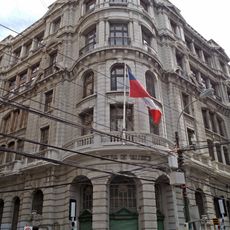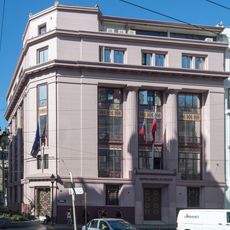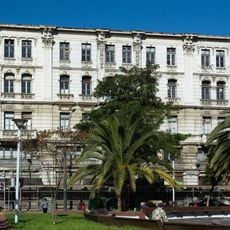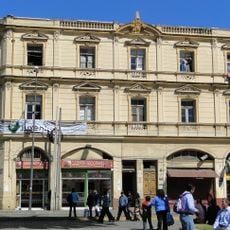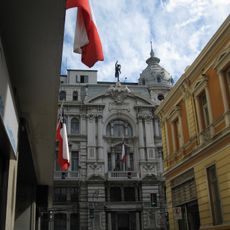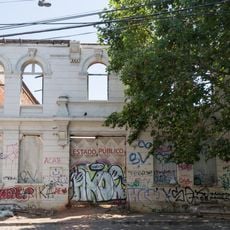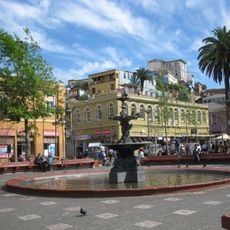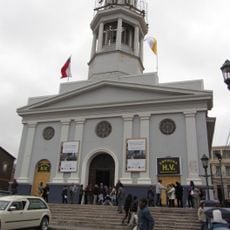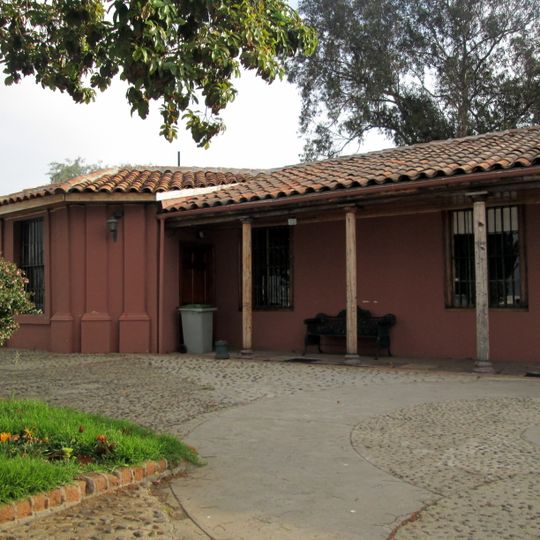
Castillo San José, Historical fortress and museum in Valparaíso, Chile.
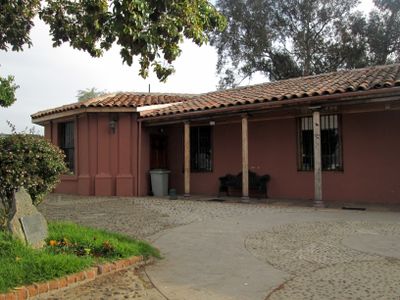
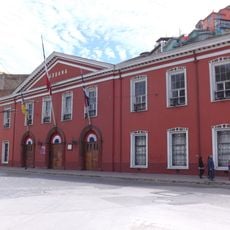
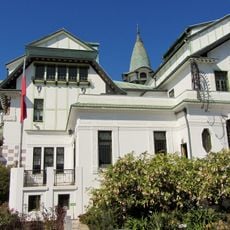
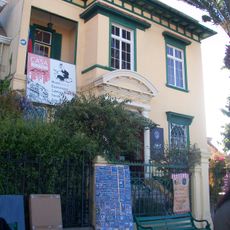
Castillo San José is the name given to a house on Cerro Cordillera, not a surviving fort: the colonial fortress built between 1682 and 1692 was demolished after the 1822 earthquake. The Scottish watchmaker John Mouat built the family house here between 1840 and 1842 and installed Chile's first astronomical observatory, operating from 1843. The building later housed the Museo del Mar or Museo Cochrane.
The fort was begun on Cerro Cordillera in 1682, or 1687 according to other sources, on the order of Governor José de Garro, and finished in 1692; it then became the residence of Valparaíso's governors. Damaged by the earthquake of 7 June 1730, it was left ruinous by the 1822 earthquake and demolished rather than rebuilt. Its land was divided into 18 plots auctioned in 1840.
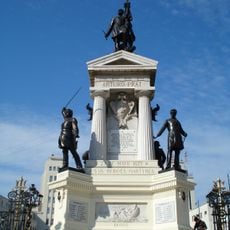
The fortress now serves as a center for maritime knowledge, displaying the strong connection between Valparaíso and the sea. The collections show how naval traditions shaped the city and its relationship with the coast.
The site is open daily except Mondays, and guided tours can be arranged in advance for better understanding of the exhibits. The hilltop location requires climbing some stairs, but the view across the bay rewards the effort.
The house that now stands on the site was built between 1840 and 1842 by John Mouat, a Scottish watchmaker, who installed Chile's first astronomical observatory there, in operation from 1843. The building was declared a National Historic Monument in 1963 thanks to efforts by poets Sara Vial and Pablo Neruda, who gave it the mistaken name Castillo San José.
The community of curious travelers
AroundUs brings together thousands of curated places, local tips, and hidden gems, enriched daily by 93,359 contributors worldwide.