Calle Dieciocho, Historical street and protected area in Santiago, Chile.
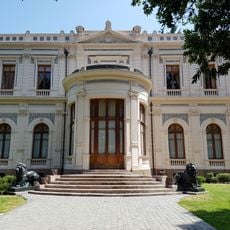
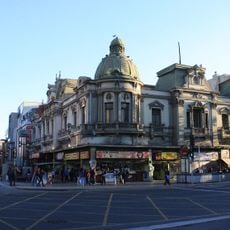
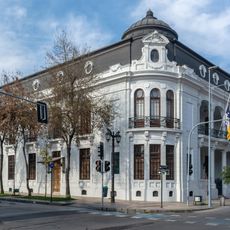
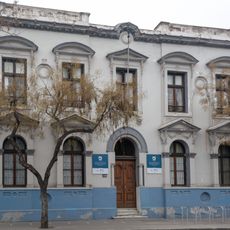
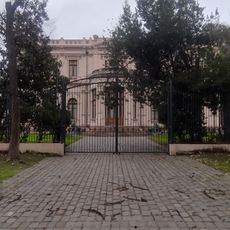
Calle Dieciocho is a street in Santiago laid out around 1850 to link the Alameda de Las Delicias with the Campo de Marte, today Parque O'Higgins. It runs south from the Alameda and is lined with late-19th- and early-20th-century palaces and houses built in European styles, among them the Palacio Cousiño, the Palacio Íñiguez, the Palacio Ariztía and the Iglesia de San Ignacio.
The street developed after embankments were built along the Mapocho River in the mid-1800s, allowing agricultural land to transform into a wealthy residential area. This growth made it one of the primary neighborhoods for the city's elite families.
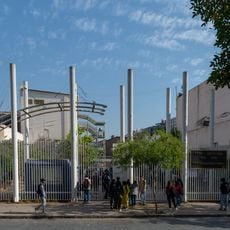
The street hosts multiple universities and research institutes that shape the neighborhood as an academic hub. Students and scholars fill the area daily, giving it an intellectual character that distinguishes it from other parts of the city.
The area is well connected by public transportation and offers multiple entry points for walking tours to explore the architecture and institutions. The best time to stroll is during daytime when the neighborhood is active and public buildings are accessible.
Calle Dieciocho takes its name from 18 September 1810, the date the First Government Junta was constituted, and it was laid out as the main access route to the Campo de Marte, today Parque O'Higgins. The journalist Miguel Alvarado Natali published a political novel titled Calle Dieciocho in 2001, set among students in their final school year.
The community of curious travelers
AroundUs brings together thousands of curated places, local tips, and hidden gems, enriched daily by 93,848 contributors worldwide.