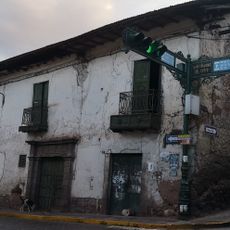
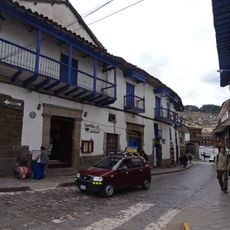
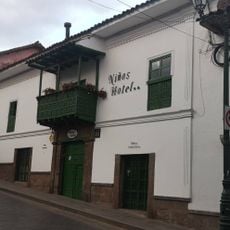
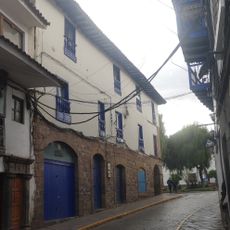
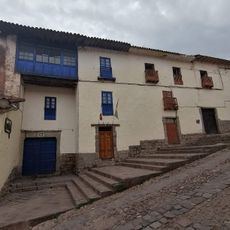
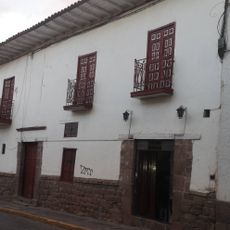
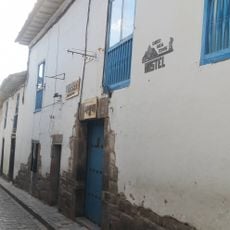
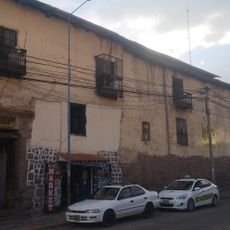
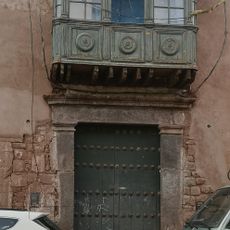
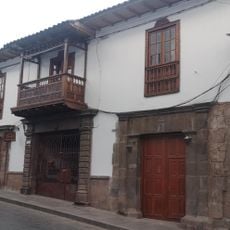
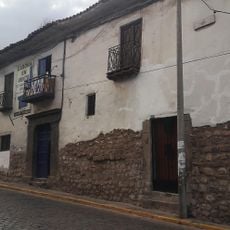
Calle Saphy, Historical street in central Cusco, Peru
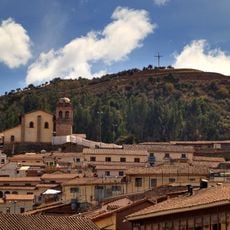
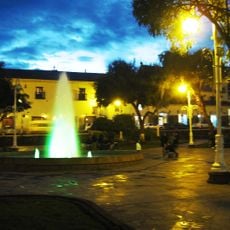
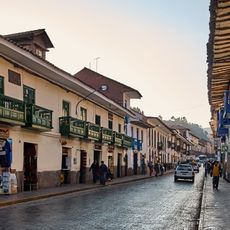
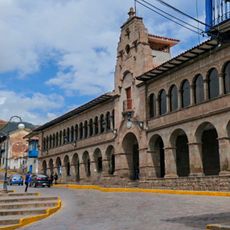
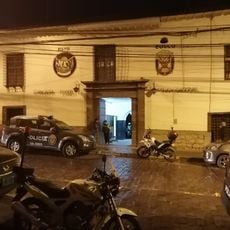
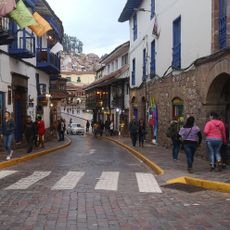
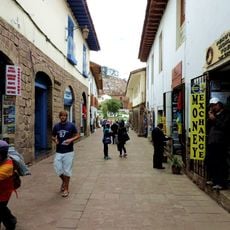
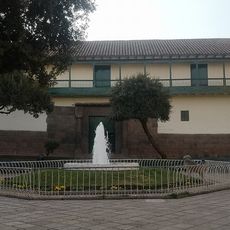
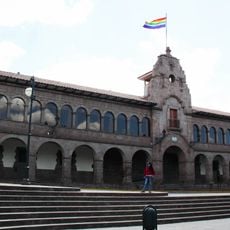
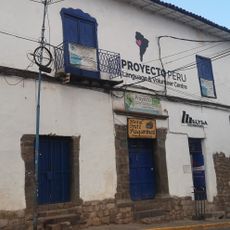
Calle Saphy is a street running through central Cusco that contains significant religious and historical buildings including the Casa de Mateo Pumacahua. The route follows the course of an ancient waterway and connects different neighborhoods with traditional construction styles.
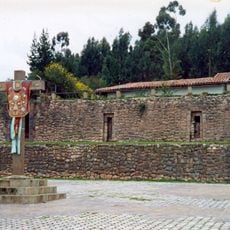
The Saphy River was channeled under the Inca and used as the southwestern boundary of the royal center; the Wankapunku shrine stood at today's Saphy and Tambo de Montero corner. In 1555 corregidor Sebastián Garcilaso de la Vega authorized building over the Huacaypata channel. The present street dates from 1922–1934, when the river was fully covered from La Compañía to Baños de Saphy; in 1927 a road to Sacsayhuamán, now Avenida Don Bosco, was begun.
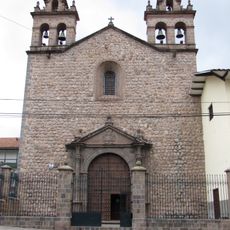
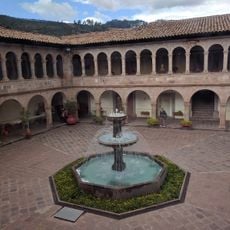
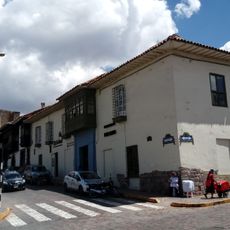
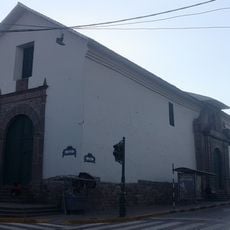
The street displays traditional Peruvian architecture alongside religious buildings like the Convento de Santa Teresa that shaped community life. These structures reflect how religious institutions influenced the city's development and character.
The street sits centrally in Cusco and is easily reached on foot from other city sights. Visitors should wear comfortable shoes since the area is hilly with stone pathways.
The Wankapunku shrine once stood at today's junction of Calle Saphy and Tambo de Montero, marking the river's role as the southwestern edge of the Inca royal precinct. The channel was finished between 1922 and 1934, from the Compañía sector to the Baños de Saphy.
The community of curious travelers
AroundUs brings together thousands of curated places, local tips, and hidden gems, enriched daily by 92,835 contributors worldwide.