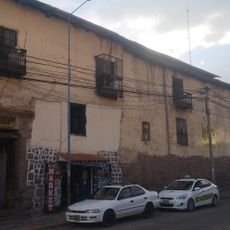
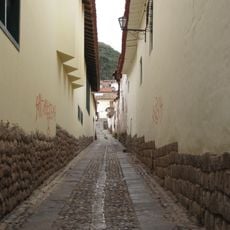
Colcampata, Archaeological site in Cusco, Peru.
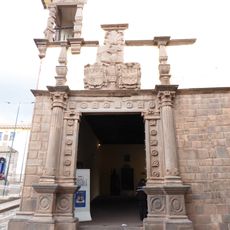
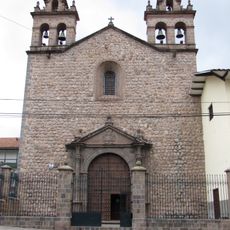
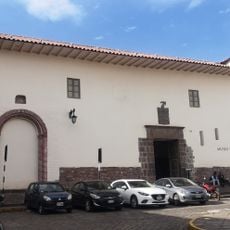
Colcampata is an archaeological site in Cusco featuring stone walls, terraces, and structures built on elevated ground with commanding views over the city. The remains show a complex arrangement of buildings and platforms that follow the natural slope of the hillside.
The site was established in the 15th century as part of Inca expansion and territorial control in the Cusco region. It served as a key location for managing resources and overseeing the lands below.
The Quechua name Qullqanpata combines qullqa (deposit, storehouse) with the suffix -n and pata (elevated place, edge), describing the site's position on the slope below Sacsayhuamán. Under Paullu Inca the palace grounds hosted native festivities and housed the sacred stone idol of the hill Huanacaure. In the 1560s its great hall served as a meeting place for indigenous celebrations on rainy days.
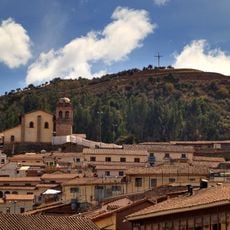
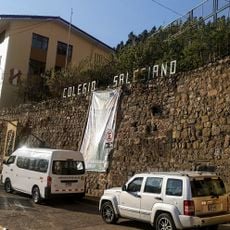
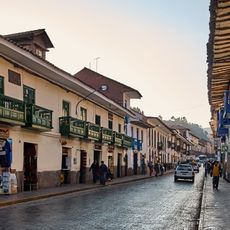
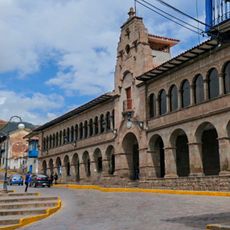
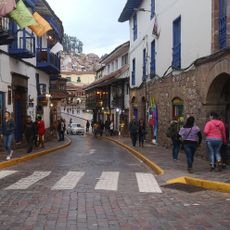
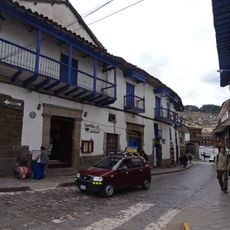
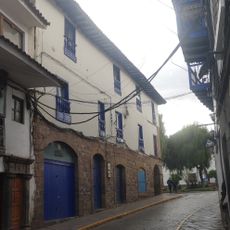
Colcampata stands on the slope below Sacsayhuamán, above the San Cristóbal parish, and is reached on foot by climbing streets and paths from the square of San Cristóbal. The ground is steep and uneven, and the altitude makes the climb slow; sturdy shoes help. The surviving wall and its niches are best seen in morning light.
The stone structures display advanced engineering for farming on steep slopes, with precisely cut blocks fitted without mortar. This method allowed the Inca to turn difficult hillside terrain into productive agricultural land.
The community of curious travelers
AroundUs brings together thousands of curated places, local tips, and hidden gems, enriched daily by 92,769 contributors worldwide.