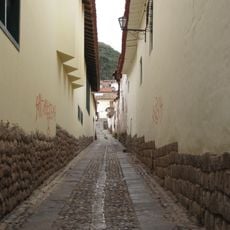
Plazoleta de las Nazarenas, Colonial square in central Cusco, Peru
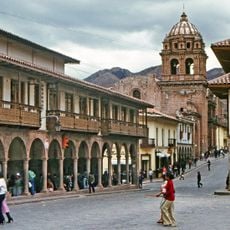
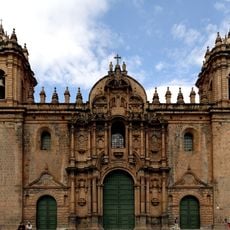
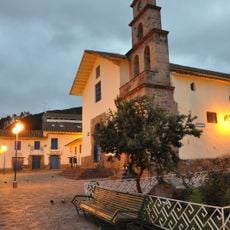
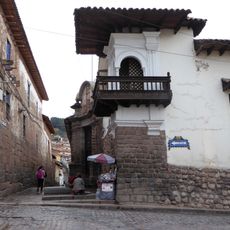
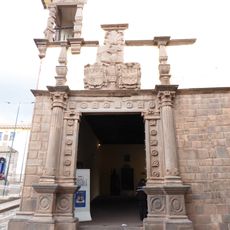
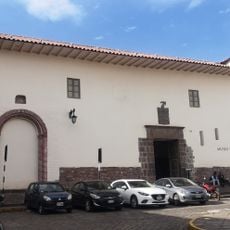
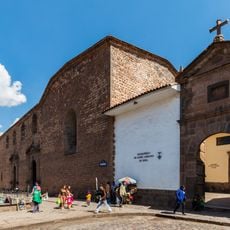
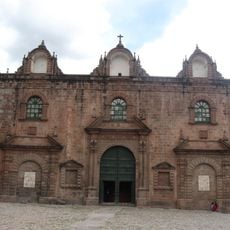
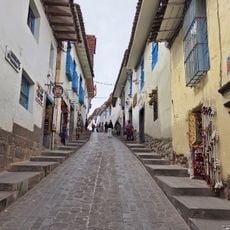
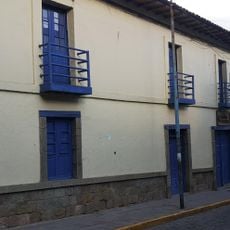
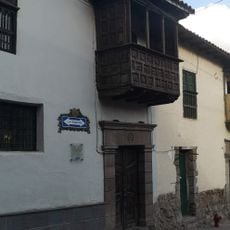
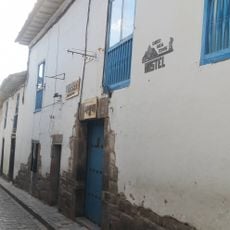
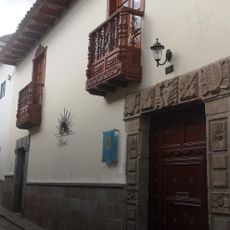
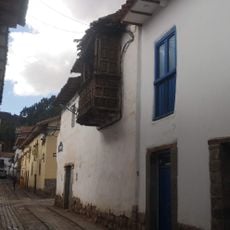
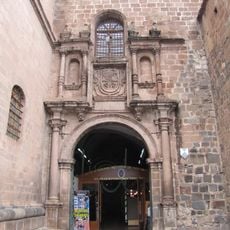
Plazoleta de las Nazarenas is a public square in the historic centre of Cusco, divided into two halves by a street that follows the line of Siete Culebras and Córdoba del Tucumán. Its north half holds a bust of Bishop Manuel de Mollinedo y Angulo, and its south half a bust of Pedro Ruiz Gallo. Around it stand colonial buildings with baroque portals built on Inca walls, including the church of San Antonio Abad, the Casa Cabrera (Museum of Pre-Columbian Art), and the Belmond Palacio Nazarenas and Monasterio hotels.
The square existed in Inca times as part of the imperial capital, with the Yachaywasi school facing it. After the Spanish founding of Cusco, adjoining lots went to conquistadors; the first Santa Clara convent stood here, and by the late 16th century the Seminario de San Antonio Abad was installed. The Colegio San Francisco de Borja followed in the 17th century and the Beaterio de las Nazarenas in the mid-18th.
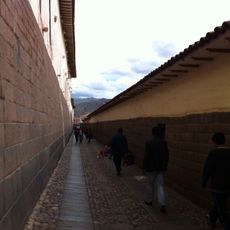
The plaza takes its name from the Nazarenes, reflecting the religious devotion that took root after Spanish conquest. Walking around it, you see how colonial structures were built directly over Inca foundations, creating a visual record of how two cultures merged in this space.
The square lies 300 metres north of the Plaza de Armas, reachable on foot along Siete Culebras and Córdoba del Tucumán streets. A street divides it into two halves: the Mollinedo bust to the north, the Ruiz Gallo bust to the south. The Belmond hotels stand on the north-eastern side, the Casa Cabrera museum on the north side.
The square holds a monument to Bishop Manuel de Mollinedo y Angulo in its northern section and a bust of Peruvian inventor Pedro Ruiz Gallo in the south. These two memorials honor the influence of religious and scientific figures who shaped the city.
The community of curious travelers
AroundUs brings together thousands of curated places, local tips, and hidden gems, enriched daily by 92,816 contributors worldwide.