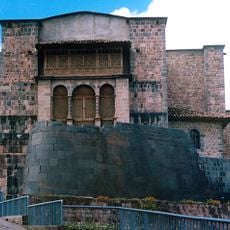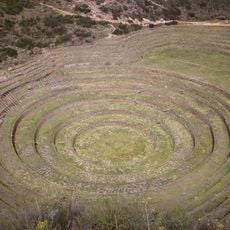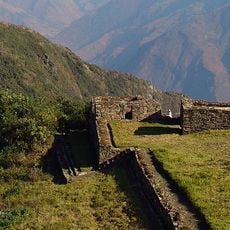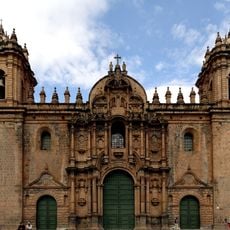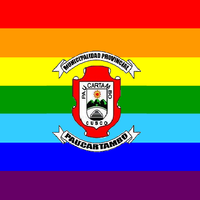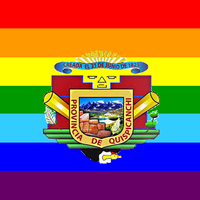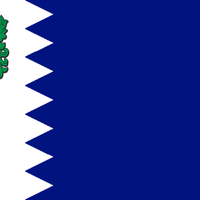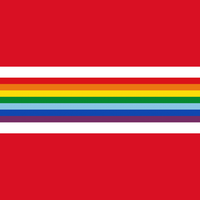
Cusco Department, Administrative region in southeastern Peru
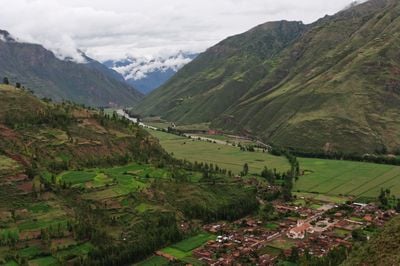
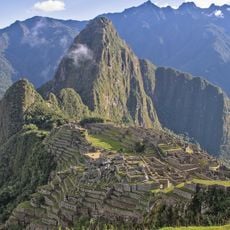
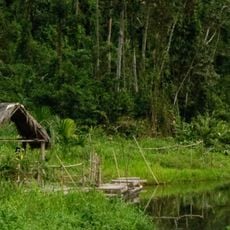
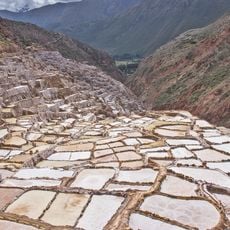
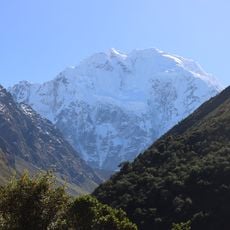
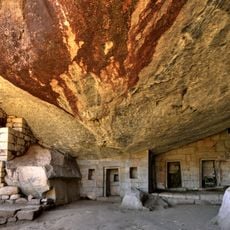
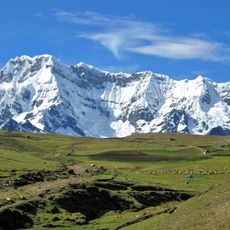
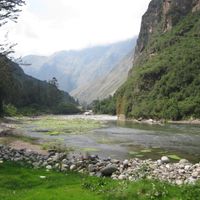
This administrative region comprises 13 provinces in southeastern Peru and borders seven other departments, including Madre de Dios, Ucayali, and Puno. The landscape ranges from Andean plateaus to Amazon rainforest zones, offering different elevations and climates within the same territory.
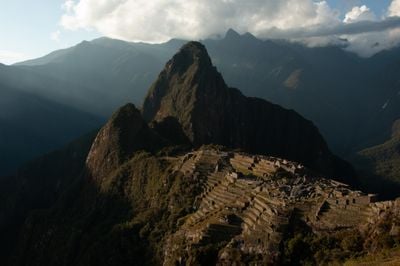
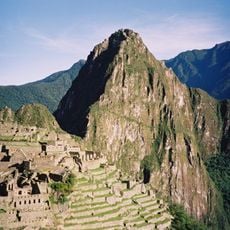
This territorial unit emerged after Peru gained independence in 1821 and integrated areas that once belonged to the heartland of the Inca Empire. Later reforms in the 20th century adjusted internal provincial boundaries and strengthened regional self-governance within the national framework.
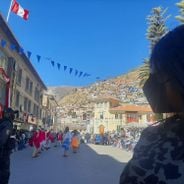
The name of this administrative region comes from the Quechua word meaning "navel of the world" Cuzco, reflecting its central role during the Inca period. Today Quechua speakers make up more than half the population and use their language in daily interactions, local markets, and public ceremonies throughout the territory.
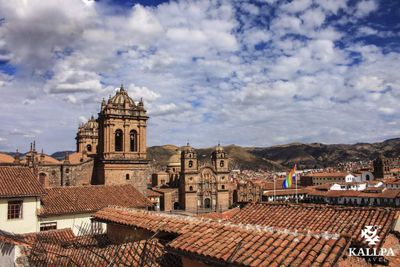
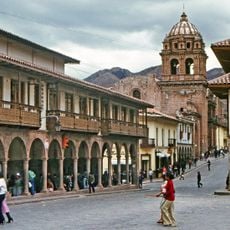
Government offices and administrative services are located mainly in the capital city, which sits above 3,000 m (9,800 ft) above sea level. Travelers should acclimatize before moving across the provinces, as many areas sit at high elevations.
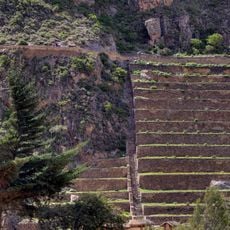
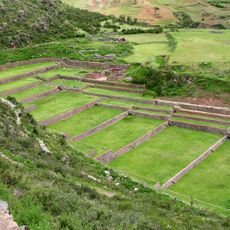
The Plain of Anta in the northern part of this region produces specialized highland crops such as native potato varieties and quinoa at around 3,000 m (9,800 ft). Local farmers maintain cultivation methods adapted to the extreme altitude and dry climate for centuries.
The community of curious travelers
AroundUs brings together thousands of curated places, local tips, and hidden gems, enriched daily by 90,795 contributors worldwide.