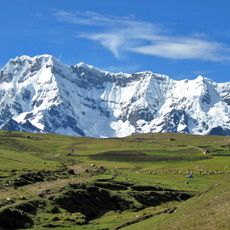
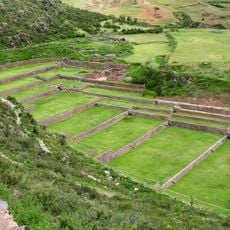
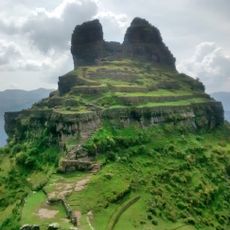
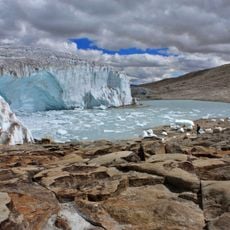
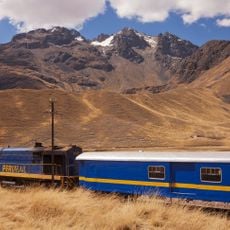
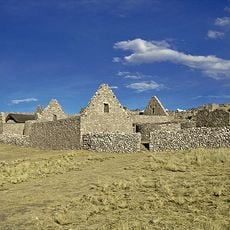
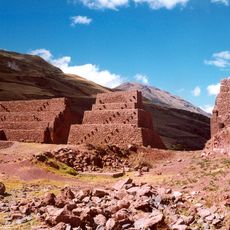
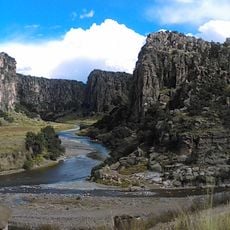
Queshuachaca, Inca rope bridge across Apurímac River in Quehue, Peru
Queshuachaca is a grass and rope suspension bridge spanning 28 meters across the Apurímac River, connecting communities at 3,700 meters elevation in the Andes. The entire structure is built from local materials like woven fibers and is completely reconstructed from scratch each year.
This structure represents a 500-year-old engineering tradition from the Inca Empire, when suspension bridges were vital parts of extensive road networks. The methods used today follow the same principles that Inca engineers developed centuries ago.
Four Quechua communities maintain this tradition through an annual ritual where women weave grass into ropes and men assemble the structure. This shared work shows how local residents pass down their skills and keep their ancestral practices alive in daily life.
The four-day renewal begins on the first Sunday of June, when roughly 700 people from Huinchiri, Quehue, Choccayhua, Ccolana and Chaupibanda gather; the bridge hangs about 15 m above the Apurímac at 3,700 m. It is reached from Cuzco, some 160 km by road, in the Canas province of the Cuzco department.
In December 2013, UNESCO added the knowledge, skills and rituals surrounding the annual rebuilding of Queshuachaca to its Intangible Cultural Heritage list. The bridge has also collapsed in recent years: it fell in March 2021 after maintenance lapsed during the COVID-19 pandemic, and again in the early hours of 17 May 2025 in an act of vandalism that the Calca prosecutor's office investigated.
The community of curious travelers
AroundUs brings together thousands of curated places, local tips, and hidden gems, enriched daily by 92,822 contributors worldwide.