Tres Cañones Regional Conservation Area, Conservation area in Espinar Province, Peru
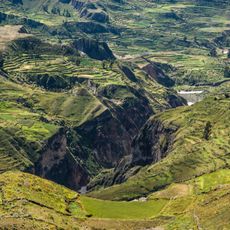
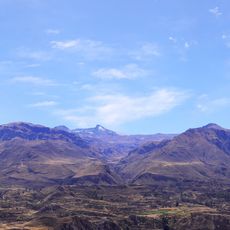
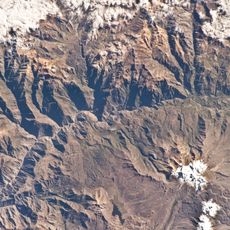
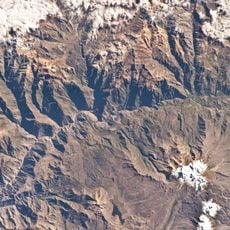
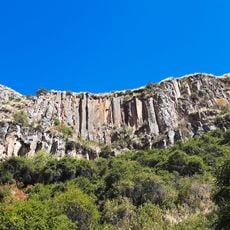
Tres Cañones is a regional conservation area of 39,485 hectares in the Espinar Province, Cusco, ranging from 3,500 to nearly 5,000 meters above sea level. Its name comes from the meeting of three canyons carved by the Cerritambo, Apurímac and Callumani rivers. The volcanic rock walls rise 80 meters, formed in the Quaternary by tectonic movements and erosion.
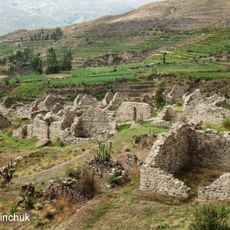
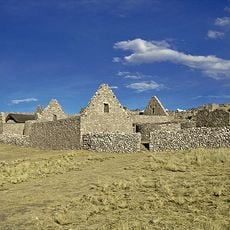
Inside the reserve, on the right bank of the Apurímac, stands Mauk'allaqta, a site attributed to the K'ana people of the Inca period. It comprises 44 circular and semicircular enclosures. The neighbouring site of Taqrachullu lies on the left bank, outside the protected area.
The reserve overlaps the territory of three campesino communities: Cerritambo, Mamanihuayta and Manturca, which together number more than 1,500 people. The name Tres Cañones refers to the meeting point of the gorges of the Cerritambo, Apurímac and Callumani rivers. Nearby stands Mauk'allaqta, a site of 44 circular and semicircular enclosures attributed to the K'ana people of Inca times.
The protected area lies about 241 km from Cusco, between roughly 3,500 and 5,000 m above sea level, so acclimatise before hiking. It is split into two sectors about 20 km apart, in Suykutambo and Coporaque districts; the Tres Cañones gorge itself is where the Cerritambo, Apurímac and Callumani rivers meet. Access is by road from Espinar.
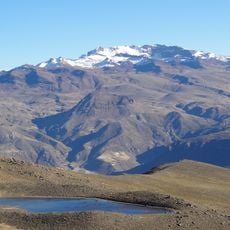
The area hosts multiple microclimates supporting diverse wildlife including Andean deer, vicunas, condors, and pumas alongside native plants. The Raimondi's puya is a rare high-altitude plant that plays a special ecological role in this landscape.
The community of curious travelers
AroundUs brings together thousands of curated places, local tips, and hidden gems, enriched daily by 93,003 contributors worldwide.