Llactan, Archaeological site in La Peca District, Bagua Province, Peru
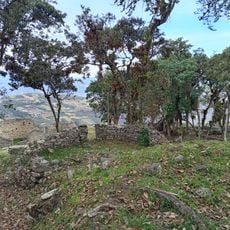
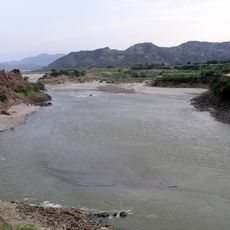
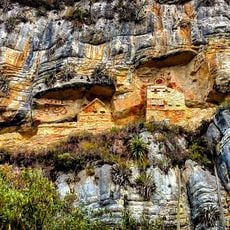
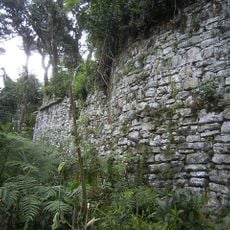
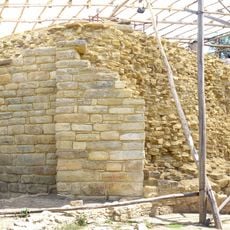
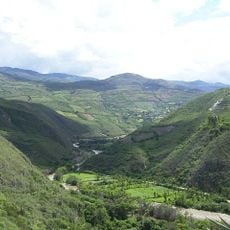
Llactan is an archaeological site near the Marañón River containing several semicircular stone buildings from ancient times. The ruins sit at about 1,063 meters elevation and reveal how people lived in the transitional zone between Andean highlands and Amazon rainforest.
The site was inhabited between 1300 and 200 BC by the Bagua culture, a civilization that shaped this northern region of Peru. Archaeological evidence suggests these people adapted their way of living to a landscape of mountains and forests.
The name Llactan comes from Quechua and means "place", showing the deep indigenous roots of this region. Local guides often explain how the landscape itself reflects the ways people organized their settlements long ago.
Access to the site requires permission and guidance from local authorities in La Peca District. Plan your visit during the dry season when trails are easier to walk through.
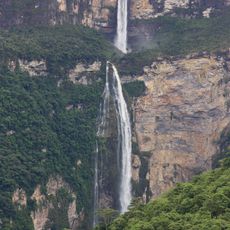
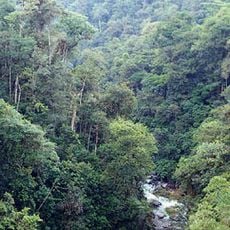
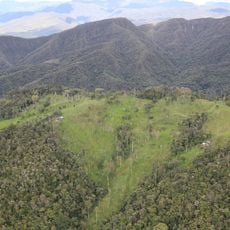
The site sits in a rare meeting point where Andean mountain culture encountered Amazon rainforest conditions, shaping how people built and lived here. This unusual location offers insight into how ancient communities adapted to such a mixed environment.
The community of curious travelers
AroundUs brings together thousands of curated places, local tips, and hidden gems, enriched daily by 92,084 contributors worldwide.