Saavedra Partido, Administrative district in Buenos Aires Province, Argentina
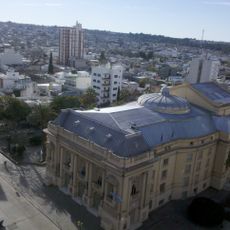
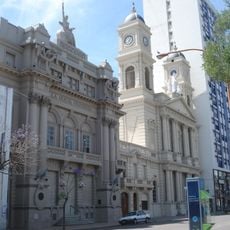
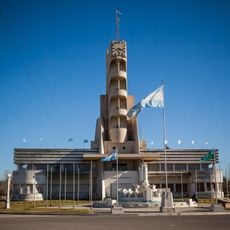
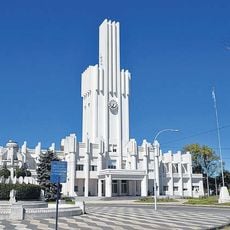
Saavedra Partido is an administrative district in southwestern Buenos Aires Province spanning about 3,500 square kilometers at an elevation of 325 meters. It comprises seven main settlements centered around Pigüé, which serves as the capital and administrative hub.
The district was established on September 10, 1891, and named after a prominent figure from Argentina's independence movement. Its development was closely tied to European immigration in the late 1800s, which shaped the agricultural character of the region.
The district is named after a key figure from Argentina's independence era, and this heritage appears in how the towns are laid out and how farming shapes daily life. The communities reflect European settlement patterns that developed over generations.
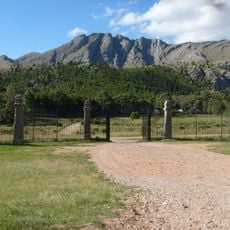
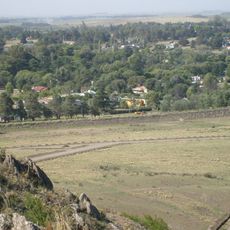
The area is dominated by farmland and open countryside, with Pigüé serving as the main access point for services and facilities. Visitors will find a rural landscape typical of the Argentine plains, with long roads and dispersed settlements that require planning to navigate.
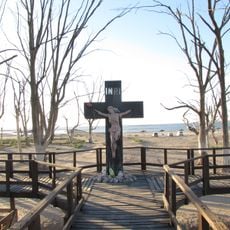
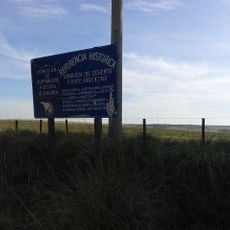
An armed conflict in 1858 fundamentally changed the region's population composition and marked a shift from indigenous to European control. This historical turning point left few visible marks but remains recognized by locals and historians as a pivotal moment in the area's past.
The community of curious travelers
AroundUs brings together thousands of curated places, local tips, and hidden gems, enriched daily by 91,367 contributors worldwide.