José Hernández Folk Art Museum, Folk art museum in Palermo, Buenos Aires, Argentina.
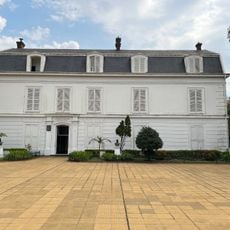
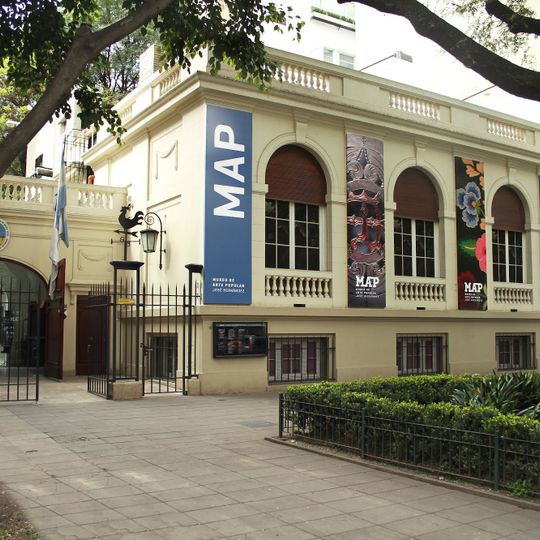
The José Hernández Folk Art Museum occupies a former mansion donated by Félix Bunge and holds objects from rural and urban criollo, indigenous and European immigrant makers. Its collection covers silverwork, textiles, pottery, leather, wood, horn and bone, masks, musical instruments and glass, plus Corrientes carnival costumes and filete porteño panels.
The museum opened in 1952 in a mansion donated by Félix Bunge, whose criollo objects—Mapuche ponchos, knives, sabers, firearms and horse gear—formed the first collection. In 1949 the state bought the gauchesque collection of Carlos G. Daws (1870–1947), and in 2000 pieces from the Centro de Promoción Artesanal (CEPAR, founded 1980) were added.
The collections showcase craftwork from Mapuche textiles to regional sculptures, representing both indigenous and creole artistic expressions. These objects tell stories of the people who made them and their connection to the land.
The museum occupies the former Bunge family house at Avenida del Libertador 2373, in Palermo. The building has two floors, with the ground floor holding the main galleries and the upper floor reached by stairs. The entrance is on the avenue side, and the rooms are arranged in a circuit through the old mansion's salons.
The museum houses a national folklore library with extensive documentation about Argentine folk traditions. This collection serves researchers and students as an important center for understanding the country's cultural legacy.
The community of curious travelers
AroundUs brings together thousands of curated places, local tips, and hidden gems, enriched daily by 92,669 contributors worldwide.