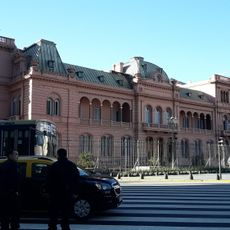
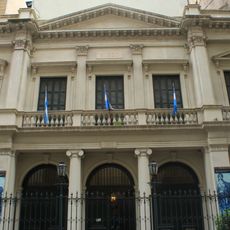
Numismatics Museum "Héctor Carlos Janson", Currency museum in San Nicolás district, Buenos Aires, Argentina
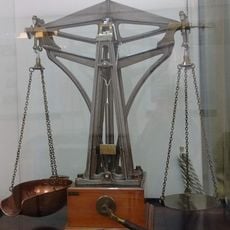
The museum houses one of South America's largest collections of currency objects with over 20,000 pieces from various periods. The holdings include coins, banknotes, promissory notes, and other financial artifacts that document the region's economic development.
The building was constructed in 1862 and originally served as the Buenos Aires Stock Exchange before being converted to a museum in 1941. This transformation marked the start of a new purpose dedicated to preserving and displaying currency history.
The collection displays pre-Columbian payment systems like cocoa beans and copper axes, showing how people exchanged goods before European contact. These objects reveal the economic practices that existed in the region before coins and banknotes arrived.
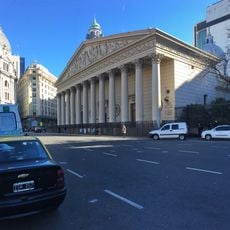
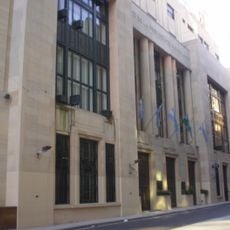
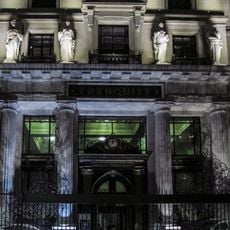
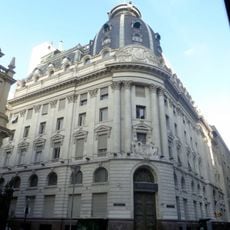
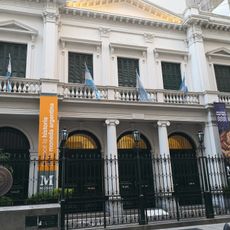
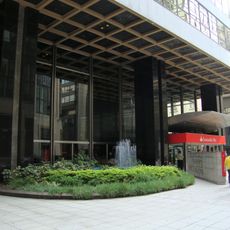
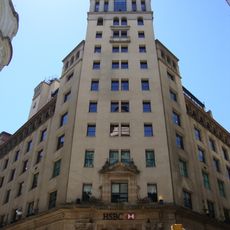
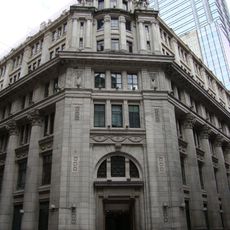
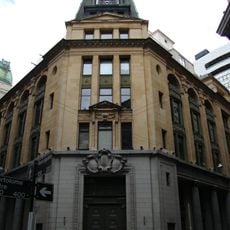
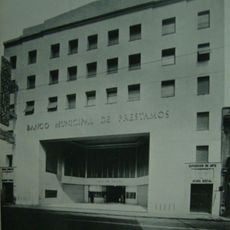
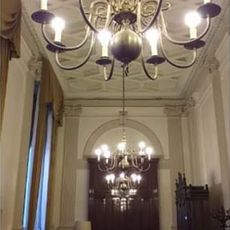
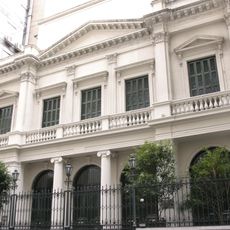
The museum occupies the former Buenos Aires Stock Exchange building on San Martín street, steps from Plaza de Mayo, and has been its home since 1989. The seven exhibition rooms are split across two floors, so allow time to move between levels. Temporary exhibitions are held alongside the permanent collection.
The museum's name honours Héctor Carlos Janson, a leading figure in Argentine numismatic studies, after he donated his personal collection of 2,802 gold, silver and copper pieces. The renaming took place on 31 May 2017, replacing the earlier name honouring José Evaristo Uriburu.
The community of curious travelers
AroundUs brings together thousands of curated places, local tips, and hidden gems, enriched daily by 93,000 contributors worldwide.