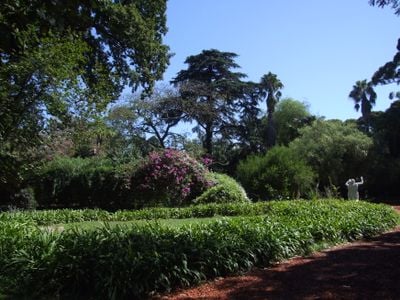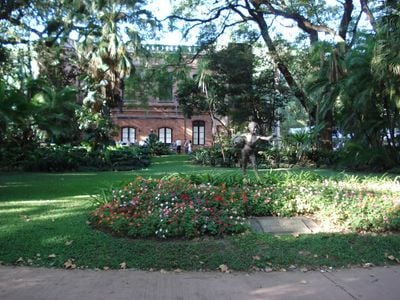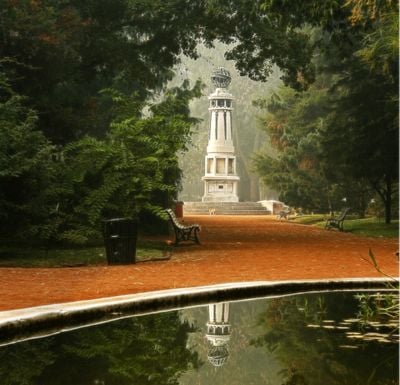
Buenos Aires Botanical Garden, Botanical garden in Palermo district, Argentina.
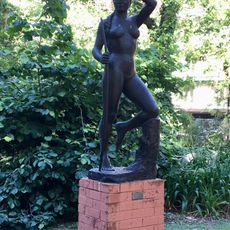
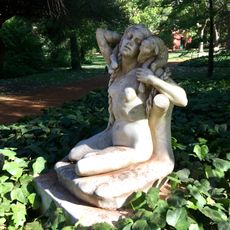
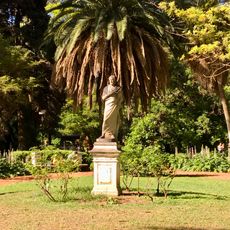
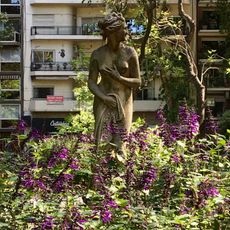
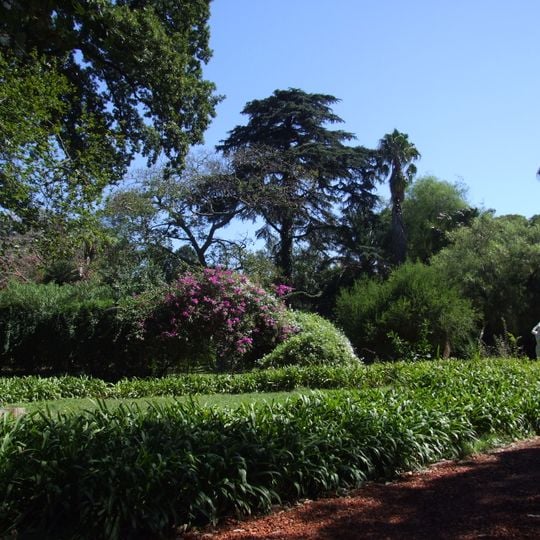
The Carlos Thays Botanical Garden covers 7 hectares and is arranged in six phytogeographic sectors: five for species from each continent and one for native Argentine flora. It contains about 5,500 plant species, five greenhouses, and 33 sculptures, busts, and monuments. The largest greenhouse, 35 m long and 8 m wide, is an Art Nouveau structure with 2,500 tropical plants.
Carlos Thays proposed a botanical garden of acclimatization in 1892 on land that had held a colonial gunpowder store, and it opened on September 7, 1898. Thays lived in the 1881 brick mansion on the grounds while directing the city's parks. The main Art Nouveau greenhouse, 35 m long, was recognized at the 1889 Paris Universal Exhibition. The garden was named for Thays in 1937 and declared a National Historic Monument in 1996.
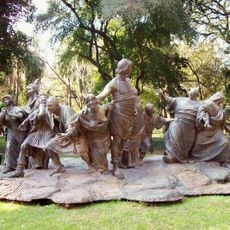
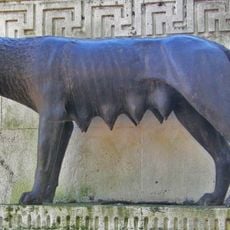
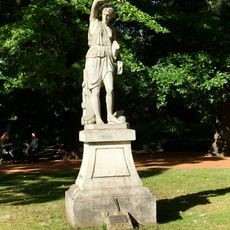
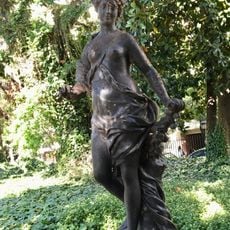
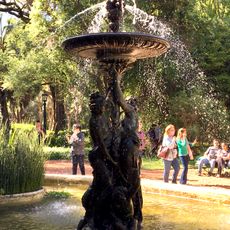
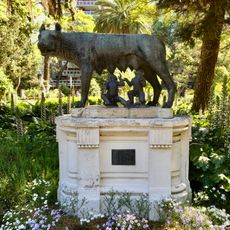
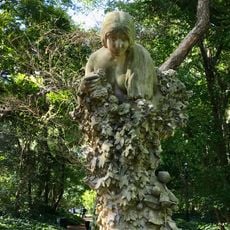
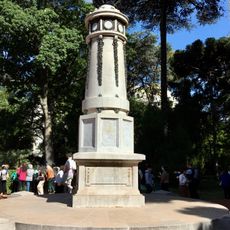
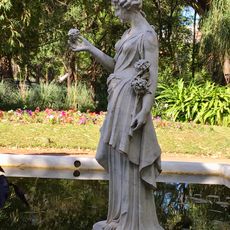
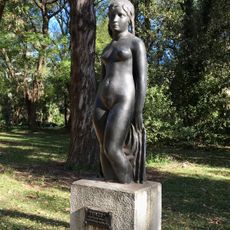
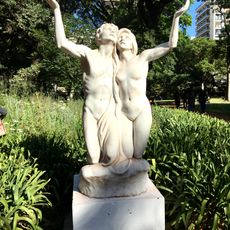
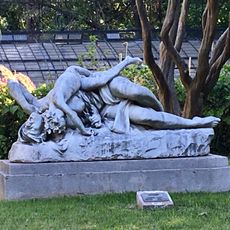
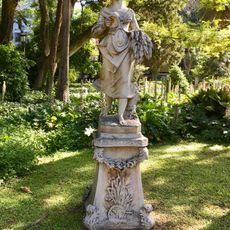
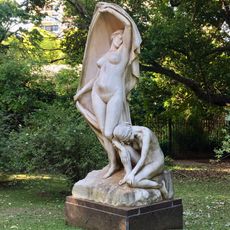
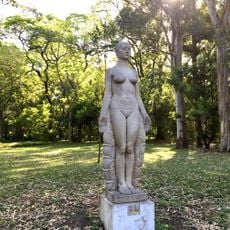
Among the 33 works are Los primeros fríos by Catalan sculptor Blay y Fábregas, Sagunto by Querol y Subirats, Figura de mujer by Lola Mora and a bronze Saturnalia by Ernesto Biondi. A bronze Luperca was donated by Vittorio Emanuele III, and the Ondina del Plata by Lucio Correa Morales stands in the La Primavera fountain. The Municipal Gardening School Cristóbal María Hicken, linked to the University of Buenos Aires, also operates on the grounds.
The garden opens Tuesday through Sunday with three entrances on Santa Fe Avenue, Las Heras Avenue, and República Árabe Siria Street. Shaded paths make visiting easier on hot days, and benches along the routes offer places to rest.
A community of free-roaming cats lives on the grounds and receives care from volunteer helpers who set up feeding stations. The animals are part of daily life in the garden and often rest under trees or among the sculptures.
The community of curious travelers
AroundUs brings together thousands of curated places, local tips, and hidden gems, enriched daily by 93,739 contributors worldwide.