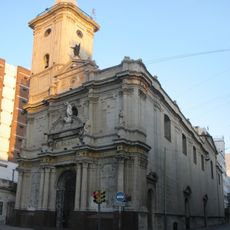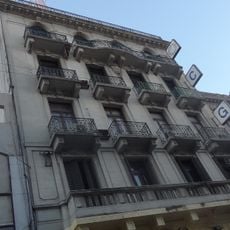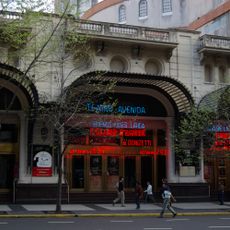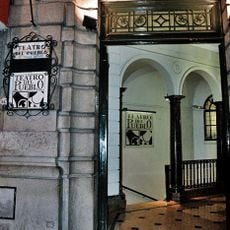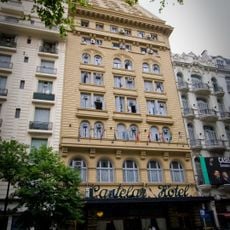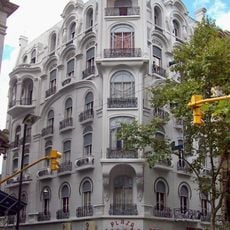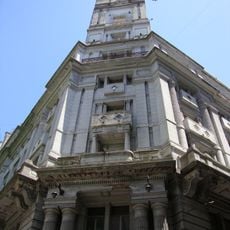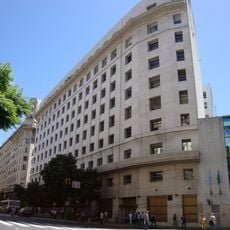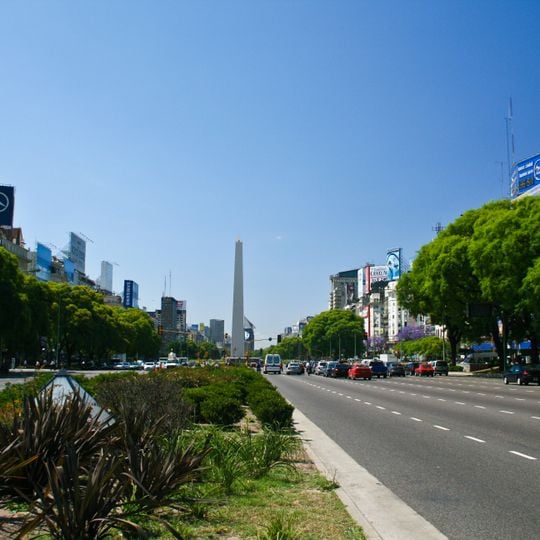
Avenida 9 de Julio, Central avenue in Buenos Aires, Argentina
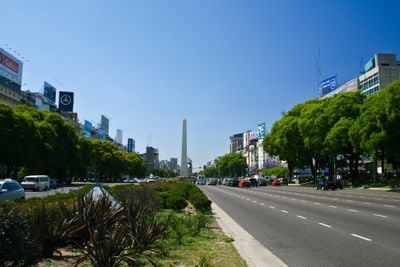
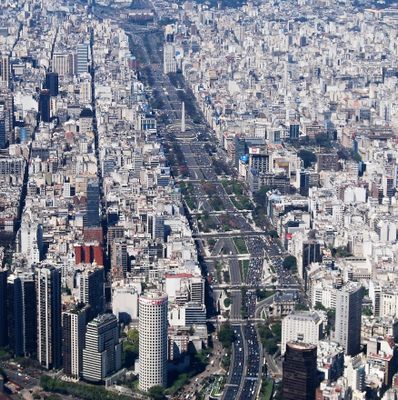
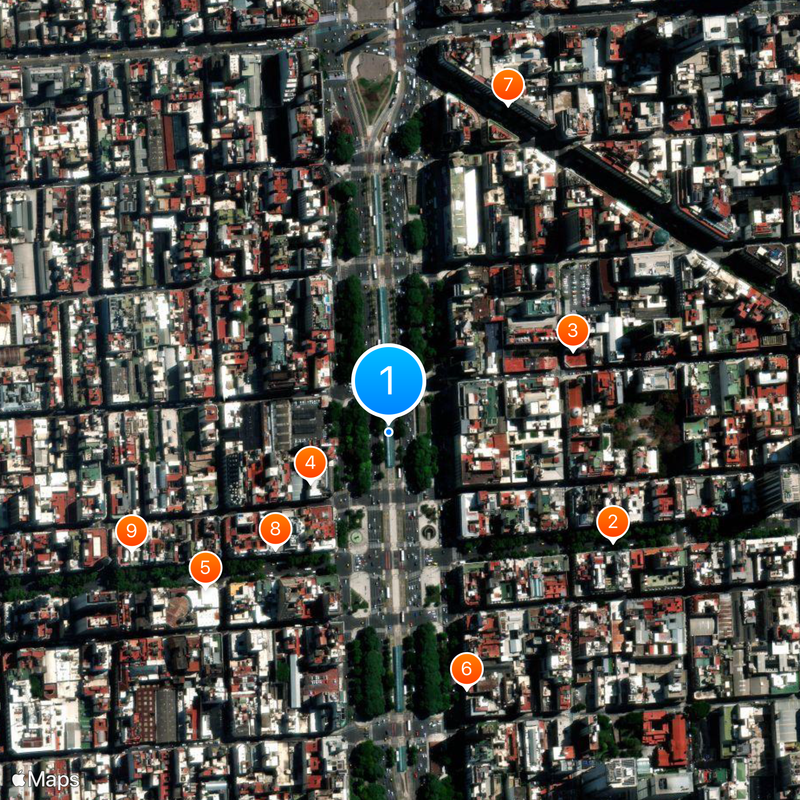
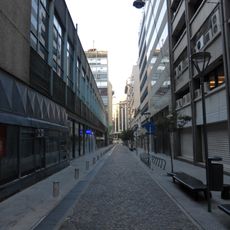
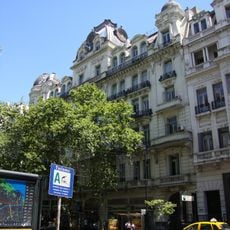
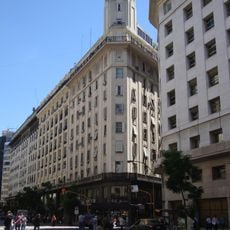
Avenida 9 de Julio is a large thoroughfare in downtown Buenos Aires that stretches roughly 3 kilometers and consists of multiple parallel lanes on each side. Between the roadways lie planted median strips with trees and footpaths that divide the entire ribbon into separate sections.
Construction began in 1935 after decades of planning that required demolishing entire city blocks to make room for the roadways. The first sections opened in 1937, while full completion came only decades later.
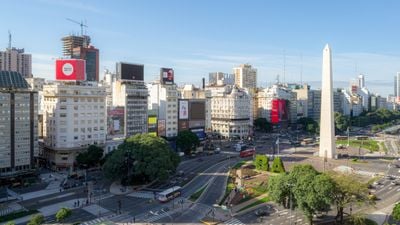
Locals know the street as a symbol of the city and often meet at the Obelisk, which remains visible from both sides. On national holidays the roadway turns into an open stage for parades and concerts, while people crowd onto the wide median strips.
The Metrobus runs through the center lanes, while Metro Line C operates beneath the street and serves several stations along the route. Crossing the entire width requires multiple traffic light cycles, so pedestrians should allow enough time.
The name recalls July 9, 1816, the date of the Argentine declaration of independence. The width of roughly 492 feet (150 meters) makes it one of the widest urban streets worldwide, with some pedestrians experiencing it as a small journey.
The community of curious travelers
AroundUs brings together thousands of curated places, local tips, and hidden gems, enriched daily by 90,779 contributors worldwide.