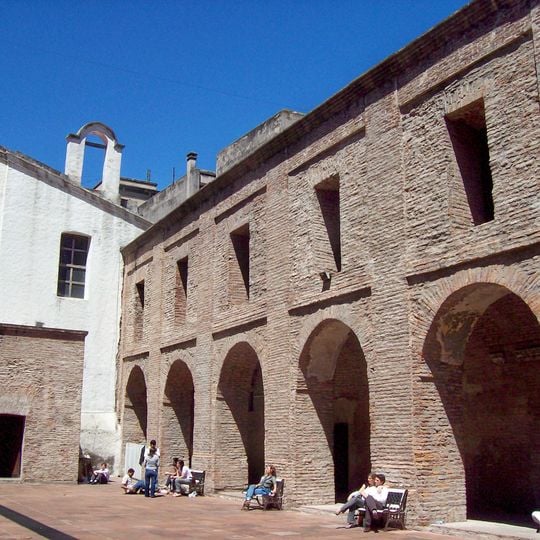
Illuminated Block, History museum in Monserrat, Buenos Aires, Argentina
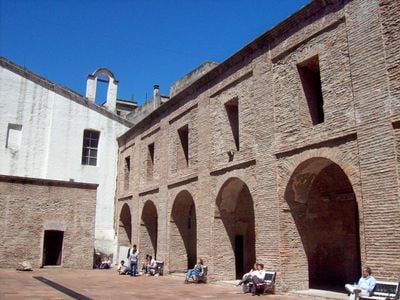
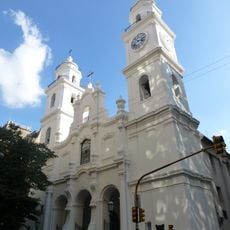
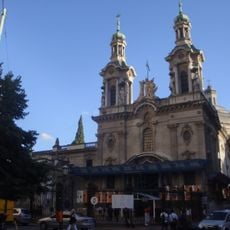
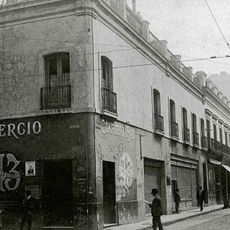
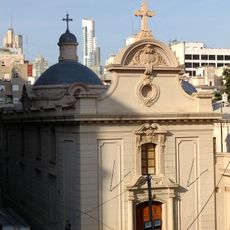
The Illuminated Block is a historic city block in Monserrat, Buenos Aires, bounded by Bolívar, Moreno, Alsina, Avenida Julio A. Roca and Perú streets. It contains the baroque San Ignacio Church, begun in 1686 and inaugurated in 1722, the former Jesuit college with its cloister completed in 1729, and the former Procuraduría de las Misiones. The church walls are handmade of brick and adobe.
The Jesuits arrived in Buenos Aires in 1608 and moved to this block after Isabel de Carvajal donated the land in 1661. Construction of the San Ignacio Church began in 1686 to plans by Juan Kraus and was completed in 1722, consecrated in 1734. The college cloister, designed by Kraus in 1710, was finished in 1729. After Charles III expelled the order in 1767, the Real Colegio de San Carlos opened in 1772.
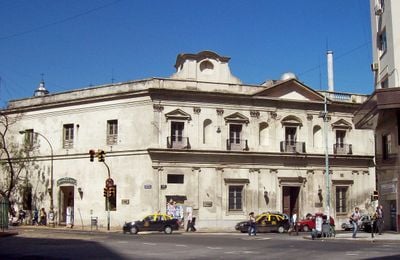
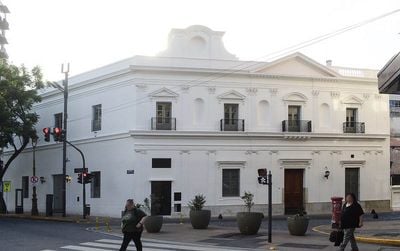
The block's name comes from El Argos, which on 1 September 1821 proposed calling it the Manzana de las Luces after the learned institutions gathered around the San Ignacio church. The former Jesuit procuratorship at Perú and Alsina housed a school and the city's first pharmacy, run by the English Jesuit Thomas Falkner.
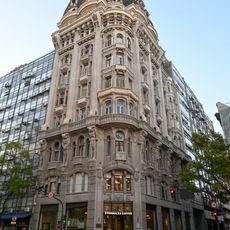
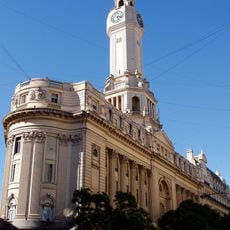
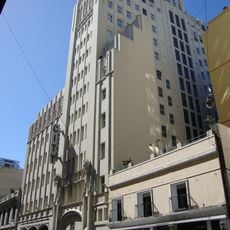
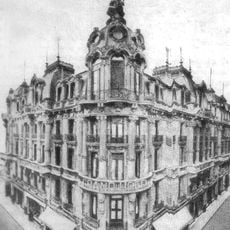
The block is bounded by Bolívar, Moreno, Alsina, Avenida Julio A. Roca (Diagonal Sur) and Perú, the last being the continuation of the Florida pedestrian street. The San Ignacio church and the old Jesuit buildings stand around a paved courtyard of reddish tiles, and the former Procuraduría faces the corner of Perú and Alsina. The underground tunnels are visited on guided tours only, so check times and book ahead.
The five tunnels beneath the block are thought to have been built to keep supplies flowing during a siege and to allow smuggling in peacetime. During the War of Independence they sheltered ammunition. Three of the passages were restored along with the block in 1983.
The community of curious travelers
AroundUs brings together thousands of curated places, local tips, and hidden gems, enriched daily by 92,744 contributors worldwide.