Museo Figari, Art museum in Ciudad Vieja, Uruguay.
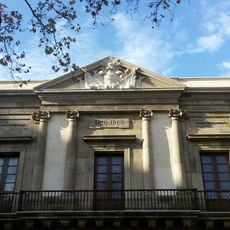
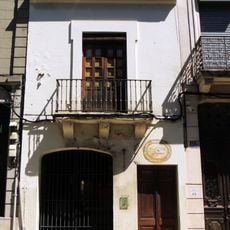
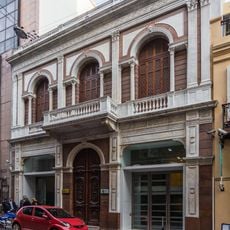
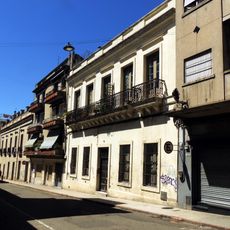
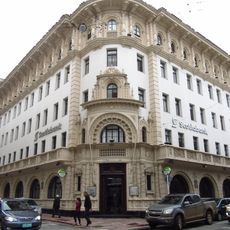
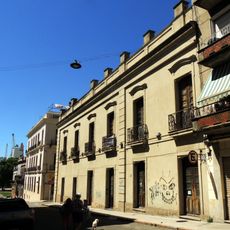
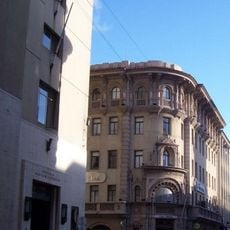
Museo Figari occupies a 1914 building designed by architect José Raffo in Ciudad Vieja, declared architectural heritage of the city. Its rooms hold permanent and temporary exhibitions on the work and thought of Pedro Figari, including his 1912 treatise Arte, estética, ideal. The building belongs to the Banco Central and was ceded to the MEC for the museum.
The building was designed and built in 1914 by the architect José Raffo and has been declared architectural heritage of the city. It belongs to the Banco Central, which lent it to the Ministry of Education and Culture (MEC) for the museum. The Figari Museum opened on 22 February 2010, and its creation was formalised by article 535 of Law No. 18.719 in January 2011. Between 2024 and 2025 its facade, parts of the second floor, ground-floor bathrooms, first floor and roof terrace were restored to fit it out as a cultural centre.
The museum takes its name from Pedro Figari, the Uruguayan painter and writer whose 1912 treatise Arte, estética, ideal sets out his ideas on art and the place of humans in the cosmos. Its rooms hold permanent and temporary exhibitions that spread knowledge of his work and thought.
The museum occupies a 1914 building by architect José Raffo in Ciudad Vieja, declared architectural heritage; its facade and parts of the upper floor were restored between 2024 and 2025. Exhibitions are arranged in rooms across two floors, so allow time to move between levels. The building belongs to the Banco Central and was loaned to the MEC for the museum.
The museum opened on 22 February 2010, and its creation was formalised by article 535 of Law No. 18.719 in January 2011. Among the documents it holds is Figari's 1912 treatise Arte, estética, ideal, setting out his aesthetic ideas and his view of man's place in the cosmos.
The community of curious travelers
AroundUs brings together thousands of curated places, local tips, and hidden gems, enriched daily by 93,893 contributors worldwide.