Eastern exodus, Historical migration route in Uruguay
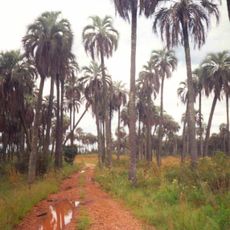
The Eastern Exodus is a historical migration route that stretches through Paysandú Department in western Uruguay, following the banks of the Uruguay River near the Argentine border. The route connects multiple rural communities and continues to shape geographical connections in this region today.
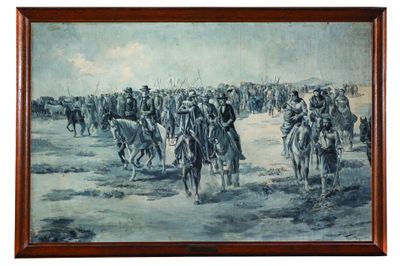
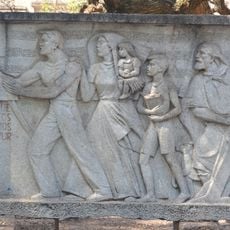
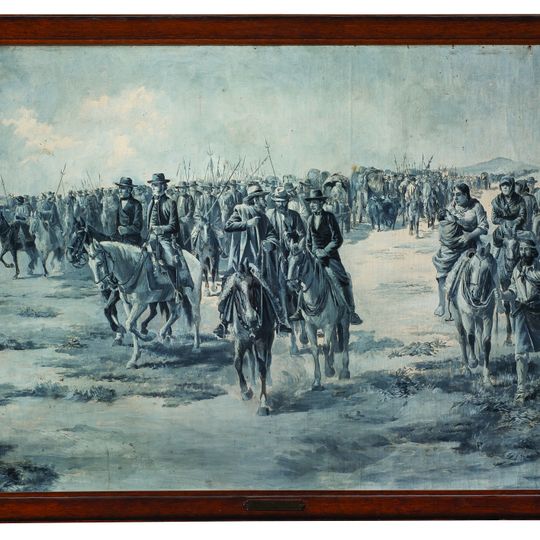
During 1811 to 1812, General José Gervasio Artigas led thousands of Montevideo residents along this route to escape advancing Portuguese troops. This mass flight became a turning point in Uruguay's early history and forced people to establish new settlements in the north.
The migration movement of the Eastern Exodus shaped settlement patterns in the region, creating human pathways still visible in how communities in Paysandú are arranged today. The way people established themselves followed routes that continue to define local geography.
Modern roads and highways in Paysandú Department follow sections of the original migration route and make it easier to explore this historical path on foot or by vehicle today. Visitors seeking to retrace the journey will find basic accommodations and food options in the rural communities scattered along the way.
Archaeological traces of temporary camps dot the route where migrants paused during their northward journey. These sites reveal through discovered objects the conditions people faced while traveling.
The community of curious travelers
AroundUs brings together thousands of curated places, local tips, and hidden gems, enriched daily by 92,722 contributors worldwide.